
Measure the line under a Miami Beach sidewalk before you trench
Contractors on the island keep hitting lines that nobody drew correctly. We open a small hole with water and vacuum, pull the groundwater out with the soil, and hand back measurements before the trench crew arrives.
What salt and high water do to the lines underneath
Everything buried on Miami Beach sits in wet, salty ground. The water table is just below the pavement here, so a pipe or a conduit spends much of its working life surrounded by water, and that water carries salt. Metal fittings corrode. Old wraps and coatings let go. A line that has been fighting those conditions for years does not need much to fail, and a backhoe tooth or a saw blade through the sidewalk above it is plenty.
A street that keeps getting rebuilt
Tidal flooding has kept the city rebuilding its streets for years, lifting roadways and adding pump stations. Each of those projects puts new drainage and conduit into ground that was already crowded, and pushes existing services aside. The drawings for a given block often show the street as it stood before the last rebuild. A line that used to run under the curb may now sit under new sidewalk, and its cover may have changed when the grade came up.
So a contractor calls us for a small hole. They need to set a footing or cross a line with a bore, and the paint on the ground only says roughly where something runs. Daylighting answers what the paint leaves out: how deep the line sits and what it is made of.
Timing a dig around Collins and Washington
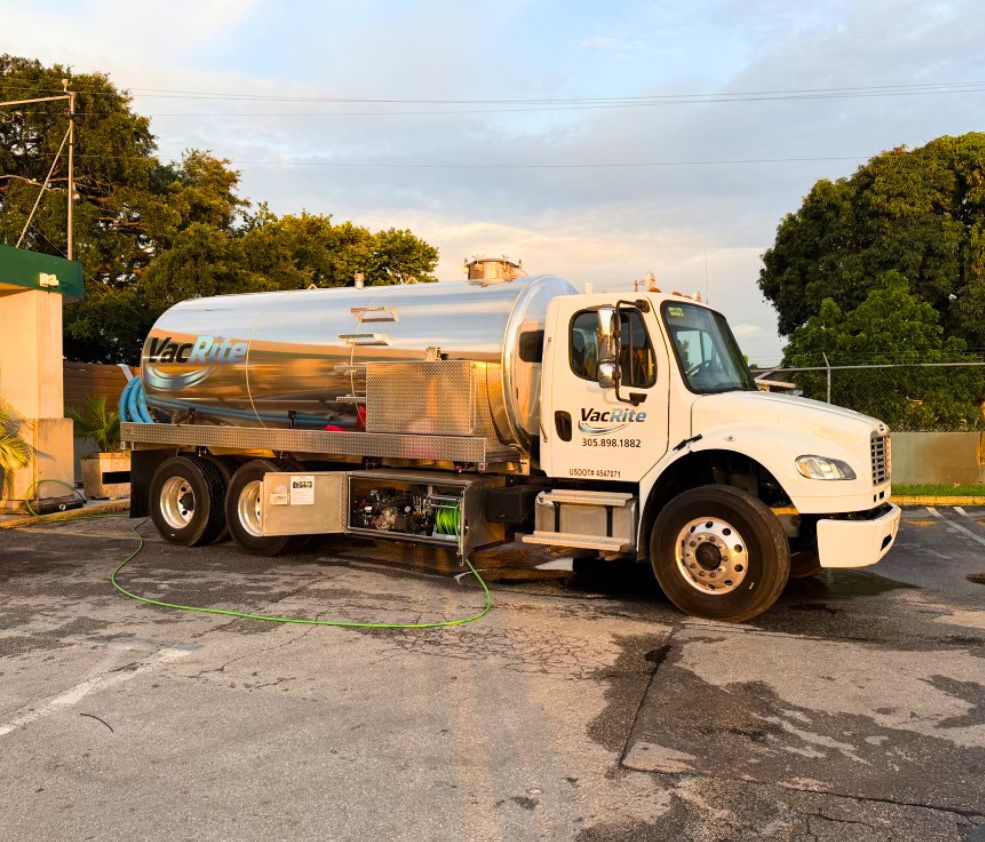
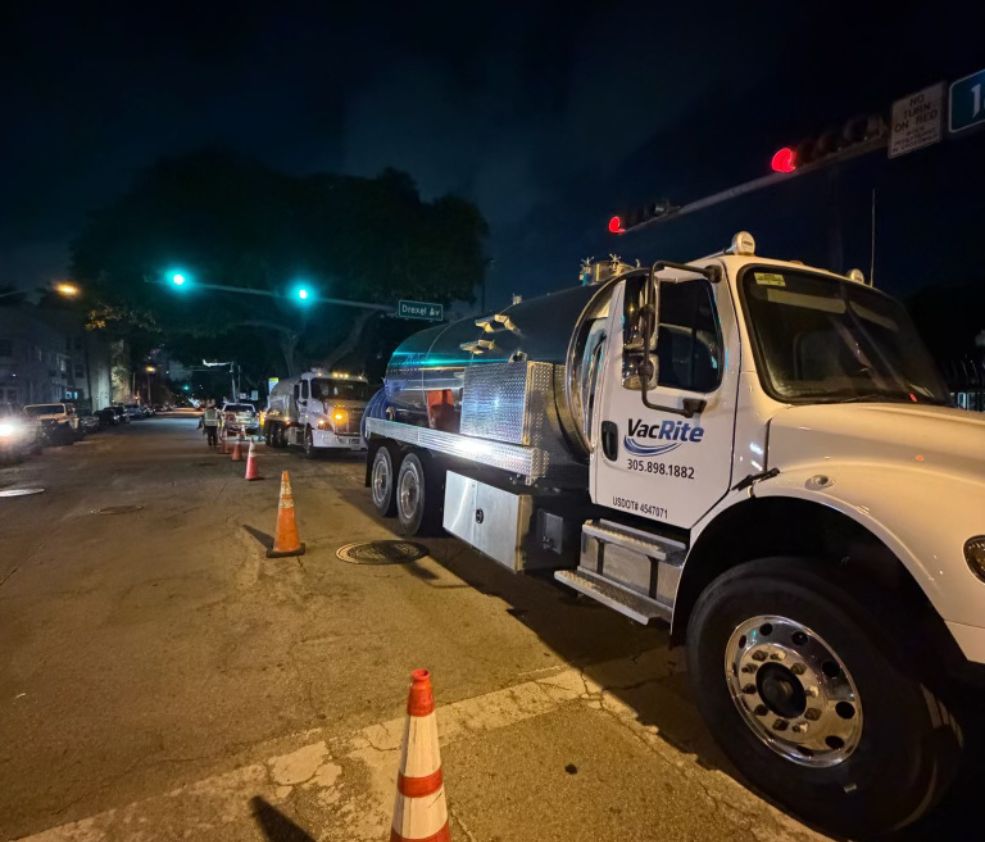
Daytime on Collins Avenue and Washington Avenue leaves a vacuum truck nowhere legal to stand, and the Art Deco blocks around them have rights of way so tight that one parked tanker can close the lane. Most of our daylighting on the island therefore happens off-peak, early or late, when the curb is open and the sidewalks have thinned out. The hose reaches a good way from the truck, which helps when the hole sits mid-block or behind a planter. Give us the exact spot and the hours the property and the street allow, and we build the visit around them.
Describe the work first
Tell us whether it is a footing or a bore crossing under the sidewalk. We look at which marks sit in its path, because those are the ones worth opening, and leave the rest painted.
Agree on the hour
Collins, Washington and the narrow Deco streets get worked off-peak. We settle a window with you and with whoever controls the curb, and the truck parks where the hose reaches the hole without crossing the walkway.
Open it with water and vacuum
The crew cuts or lifts the surface where needed, then loosens the soil with water and pulls it into the tank until the line is in view. Groundwater comes up with everything else, so the bottom stays visible.
Measure, photograph, then backfill
Depth, offset, size and material go on the record with photographs before anything goes back into the hole. Then we backfill and leave the spot safe to walk past until the surface is restored.
Digging a hole that keeps filling with water
A test hole on this island starts taking water almost as soon as it is open, because the groundwater is right there under the pavement. A hand crew ends up bailing and feeling around in murky water for something they cannot see. A vacuum truck lifts the water out with the soil, so the bottom of the hole stays in sight and the line comes up clean enough to measure.
Why water and vacuum suit tired lines
Pressurized water breaks the soil loose and the vacuum carries it into the tank, so nothing hard comes near the line. That matters most around a corroded fitting or a cable jacket that salt has already worked on. Pipe in that state can last for years in the ground and still crack the first time a steel edge finds it.
Everything we pull goes into our own tank, wet soil and groundwater together, and leaves the block on the truck. Nothing is left in a pile on the sidewalk overnight. Tank room also decides how many holes fit into one visit, so tell us the count up front and we will bring a truck with space for the whole night’s work.

On an island where every hole fills with water, the vacuum truck is what keeps the line in sight.
VacRite
What the contractor walks away with
Each exposed line is measured for depth from the surface and for offset from something fixed on the site, such as a building corner or a manhole lid. We note its size and material, and we photograph it in the hole with a tape in the frame. That record goes to whoever is redrawing the plan, usually the engineer or the general contractor.
A corrected drawing pays off for everyone who works from it later. A trench crew holding a wrong one finds the line with the bucket, and on Miami Beach that tends to mean a flooded hole and a damaged service somebody now has to repair at night with traffic waiting. A measured hole beforehand is the easier conversation to have.
Plenty of the properties we daylight around also run a kitchen or own a parking lot. The grease trap behind a hotel and the catch basins on its lot are work this same company handles, so the contractor who called about one buried line sometimes passes along the property manager’s number before we pack up.
Our daylighting page covers the method in more depth, and the Miami Beach overview lists the other work we do here. Give us the details, or see what the crew runs.
Other work we run in Miami Beach
The overflow does not wait for Monday in Miami Beach
Overflows and struck lines rarely pick a weekday afternoon. Call any day of the year and a person picks up and starts working the problem with you. Because the business is first responder owned, the urgent side was never an afterthought.
Questions we get asked
Why daylight a line in Miami Beach instead of trusting the marks?
Paint shows roughly where a line runs and says nothing about how deep it sits. With roads raised and services moved over the years, the old drawings for many blocks are out of date. A test hole puts a measured number on the line before anyone trenches beside it.
Can you work on Collins Avenue or Washington Avenue during the day?
Rarely, and it is seldom worth trying. There is almost nowhere a truck can legally stand there in daylight, so we plan that work off-peak. Tell us the address and any hours the building or the street imposes, and we will set the visit inside them.
Does groundwater in the hole stop the job?
No. The vacuum truck lifts the water out together with the soil, so the hole stays workable and the crew can see what it is uncovering. Groundwater is what turns a hand-dug test hole into guesswork out here. All of it goes into our tank and off the property.
What do I get after the line is exposed?
Numbers you can hand straight to an engineer: how far down the line sits, how far it is from a fixed point we name on the record, its size and material, and photos of it uncovered. The trench crew digs against those numbers once the paint is gone.
Can you uncover old lines that salt has already damaged?
Those are the lines water and vacuum suit best. Nothing hard touches the line, so a weakened fitting comes into view without being knocked. If we see damage, we photograph it and tell you, and on water and sewer services our master plumber can look at what the repair needs.
Do you haul off what comes out of the hole?
Yes. Soil and water ride in our own tank to an approved facility under our haulers permit and dumping permit. Getting there means taking the MacArthur or the Julia Tuttle off the island with a full load, so we time that run for an hour when the causeway is moving.
Give us the location and what you are seeing
Tell us the block and what you are putting in beside the line, and we will get a truck out to it once the street quiets down.
We do not broker the work out. The truck at your site is ours, and so is the paperwork.
VacRite, Miami
info@vacriteservices.com
Open 24/7/365
USDOT 4547071