
Gas Line Daylighting
Opening ground over a gas run to see where it truly goes and how deep, so a bore path or a design can be committed to with a measurement instead of an assumption.
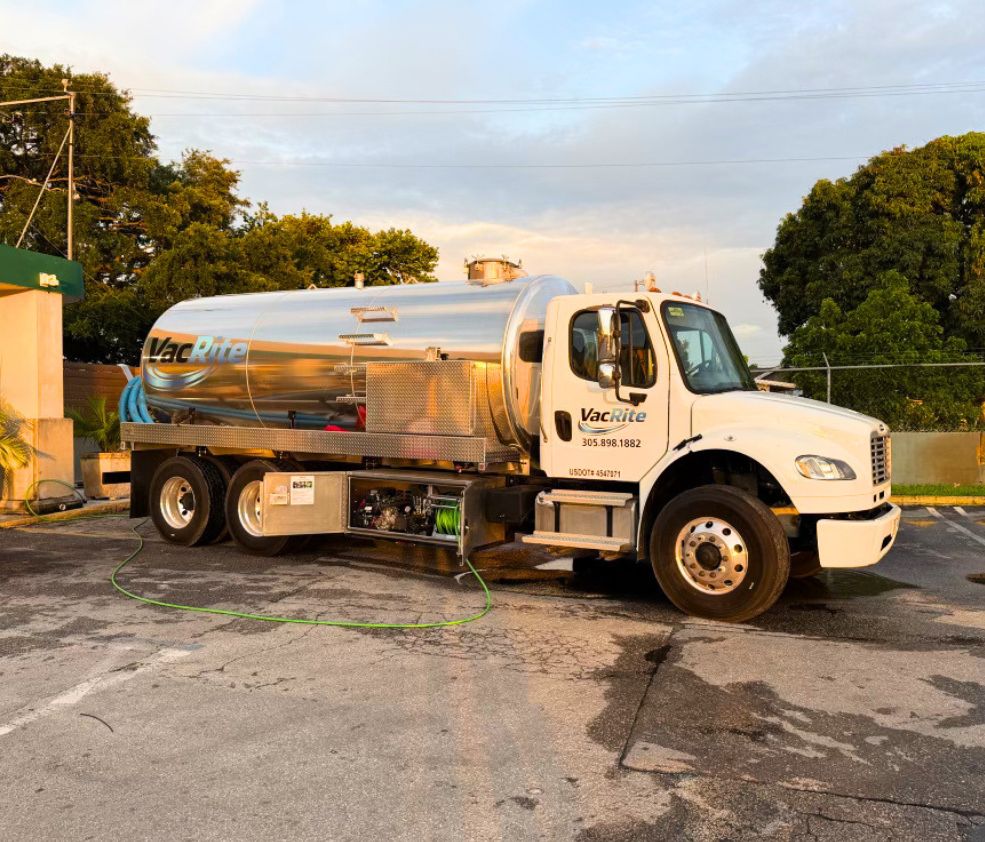
Design engineers, survey and subsurface engineering crews, directional boring contractors and anyone routing new work across an existing gas corridor.
How a job runs, step by step
Start from the alignment, not the hole
The useful question is what the design has to clear and where it has no room to move. Crossings, proposed structures and tight spots decide where ground gets opened, and the answer usually needs fewer exposures than people expect and different ones than they picked.
Notify and work from current marks
The one-call ticket goes in, the operator marks their facilities, and any operator notification requirement for working near their line gets handled before the day rather than at the curb.
Open a window, not a scar
Water and vacuum take the ground off directly over the run with a footprint sized to answer the question. On pavement the surface gets cored so the plug goes back and the restoration is a seam.
Measure everything the drawing needs
Depth to top from existing grade, outside diameter, material, coating condition, direction of run, and anything else sharing that window. Photographed with a tape in the hole.
Close it and hand over the record
Backfill in lifts, warning tape and tracer back where they belong, surface restored, and the data delivered in your reference framework while the route is still on paper.
A bore has no eyes, and gas is the worst thing to meet
Directional drilling commits to a path between an entry and an exit and finds out what is in between the hard way. Every buried facility on that path is a problem and a gas line is the one that turns a bad afternoon into an evacuation, an outage report and a conversation with a regulator. The defense is knowing, and knowing means a measurement at the crossing rather than a projection from a drawing. Daylighting the gas run before the head goes in converts the riskiest unknown on the plan into a number the driller can steer against. The failure pattern is boringly consistent: a bore plan drawn from as-builts that were accurate when they were drawn, a service relocated during a road widening years ago that nobody redlined, and a reamer meeting it at a depth the file said was clear. A morning of exposures is a cheap way to never be part of that story.
Marks are horizontal, and gas runs are not always where the file says
A one-call mark is a projection sprayed on the surface above a signal peak. It carries no depth, and that alone disqualifies it as a bore clearance. Gas adds its own complications. Plastic service line locates through a tracer wire, and where that wire has been parted by a previous dig or corroded away, the line is effectively invisible to the locator. A service that reads as one mark can be a main and a service running close together. Depths shift without anyone touching the pipe, because grade got raised for a parking lot or scoured out of a swale, and around here you can add decades of fill placed across low ground that used to be wetland. Records go stale quietly. Nobody is at fault and all of it becomes your problem the moment a bore path is drawn against a drawing from 1994.
A window on the run answers what a point cannot
How much ground to open is a genuine decision. A discrete hole answers a question at a single point, and at a bore crossing that is frequently exactly what is needed. Opening a longer window along the run answers a different and sometimes more important question: where the line actually travels between the points, whether it holds depth, whether it bends where the drawing shows it straight, whether a second facility joins it partway. Gas runs bend at fittings that nobody recorded and pick up depth changes across old grade work. A parallel route running alongside a gas main for any distance is the case where the longer window earns its keep, because a single hole in the middle of a curve will confirm a position that is wrong everywhere else. More open ground also means more traffic control, more restoration and in a travel lane usually a permit and a night window, so the shape of the exposure gets chosen deliberately.
What the drawing gets back
This work exists to produce a record, and the hole is only the means. Each exposure carries depth to top of the facility measured from existing grade with a tape in the photograph, outside diameter, material, coating or wrap condition where visible, direction of run, and every other facility found in the same window, since stacked and adjacent lines are the finding that redirects a design most often. Position gets tied to whatever framework you work in: station and offset, survey control, a curb line, a building corner. Send that framework before the day and the data comes back ready to drop into the drawing rather than needing translation by somebody who was not there. Engineers use it to move an alignment. Drillers use it to set a depth. Both need it before the schedule hardens, which is the argument for daylighting during design rather than during construction.
Doing it early is the cheap version
Moving a proposed route around a gas main while it is still a line on a drawing costs an afternoon of somebody’s drafting time. Discovering the same conflict with a boring crew, a locate crew and an inspector standing in the street costs a stopped job, a redesign under pressure, a change order and whatever the schedule slip is worth to your owner. Gas operators are also considerably more agreeable about a route revision proposed during design than about one proposed with a crew waiting and their main already exposed. The practical version of this is unglamorous: a handful of exposures along an alignment, done in a morning, in a season when the afternoon storms have not started or with the schedule allowing for them when they have. It is the least dramatic money on the project and the most reliably returned.
Worth knowing
Tell us what the information has to support rather than how many holes you want. A hole placed to confirm a bore depth and a window opened to trace where a run bends are dug the same way and located completely differently, and the wrong one in the right place still leaves you guessing.
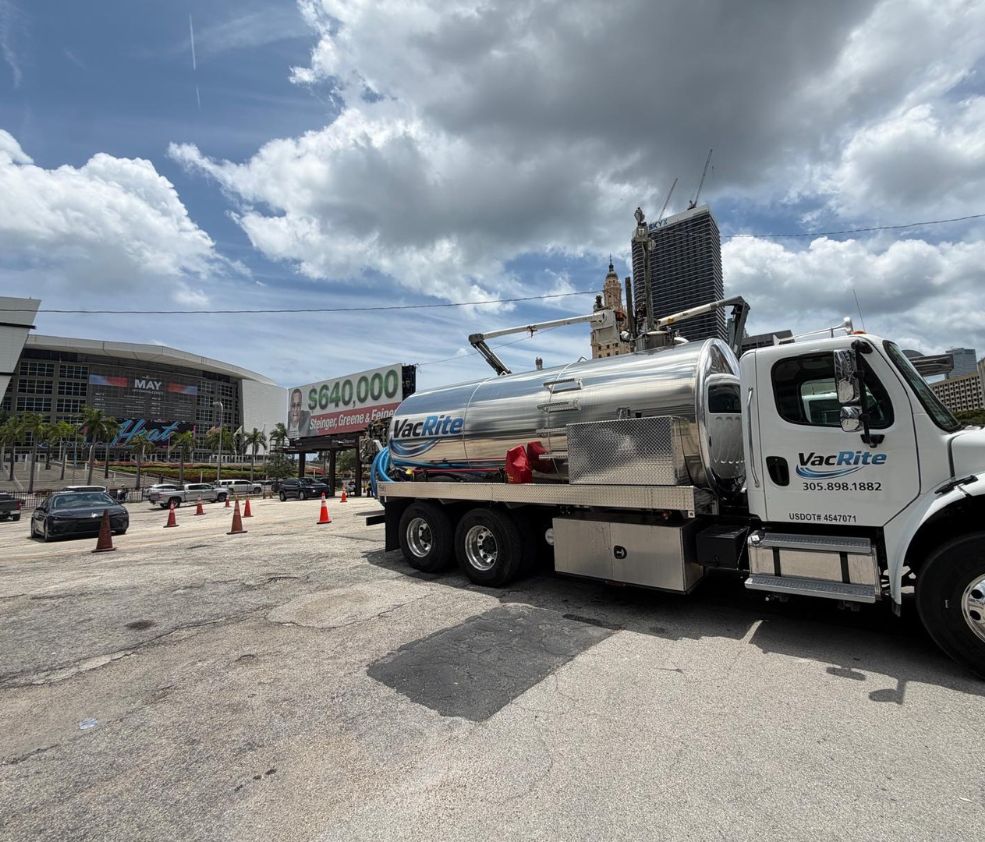
Ask any contractor where what they pump out actually goes. It is a fair question, and the answer tells you a lot.
VacRite
Other utilities work
The other side of the company
Most of our customers only ever need one half of what we do. It is worth knowing the other half exists.
Something failed tonight. Somebody answers.
Struck line, blocked kitchen drain, a basin backing up in the middle of a storm. We run every day of the year, and the phone reaches a person rather than a queue. This company is first responder owned, and the emergency side of it works the way that suggests.
Questions we get asked
How is daylighting a gas run different from exposing one for repair?
Purpose, and it changes everything downstream. Daylighting is done to see and measure the line so a design or a bore path can clear it, and the deliverable is the record. A repair exposure is a workspace built around whatever tool your crew is bringing. Different sizes, different documentation, different day.
Why can we not use the 811 marks for our bore plan?
Because paint carries no depth, and a bore needs depth. Marks are a horizontal projection above a signal peak, two lines stacked read as one, and plastic gas service with a parted tracer wire may not read at all. Marks are the right starting point and a poor clearance.
How many exposures does a bore crossing need?
Usually one at each crossing where the path has no room to move, plus more where the run is likely to bend or change depth. Straight corridors with good records need fewer. Send the alignment and we will talk through where the holes actually earn their keep.
Can you daylight a gas line during the design phase?
That is the best time for it. Moving an alignment on a drawing costs drafting time. Finding the same conflict with a crew in the street costs a stopped job and a redesign under pressure, and the operator is far more agreeable about the first version.
Do you open a long window or just a test hole?
Whichever answers your question. A point exposure suits a crossing. A longer window shows where the run travels between points, whether it holds depth and whether it bends. Longer windows mean more traffic control and restoration, so the shape gets chosen rather than defaulted.
What documentation comes back?
Depth to top from existing grade, outside diameter, material, coating condition, direction of run and anything else in the window, tied to your station and offset or survey reference, with photographs including a tape in the hole. Send your framework ahead and it arrives ready for the drawing.
Do you notify the gas operator for daylighting work?
The one-call ticket goes in regardless, and where the operator requires notification for work near their facilities that gets handled before the day. Even though nobody is touching the line, opening ground over a gas main is work the operator wants to know about.
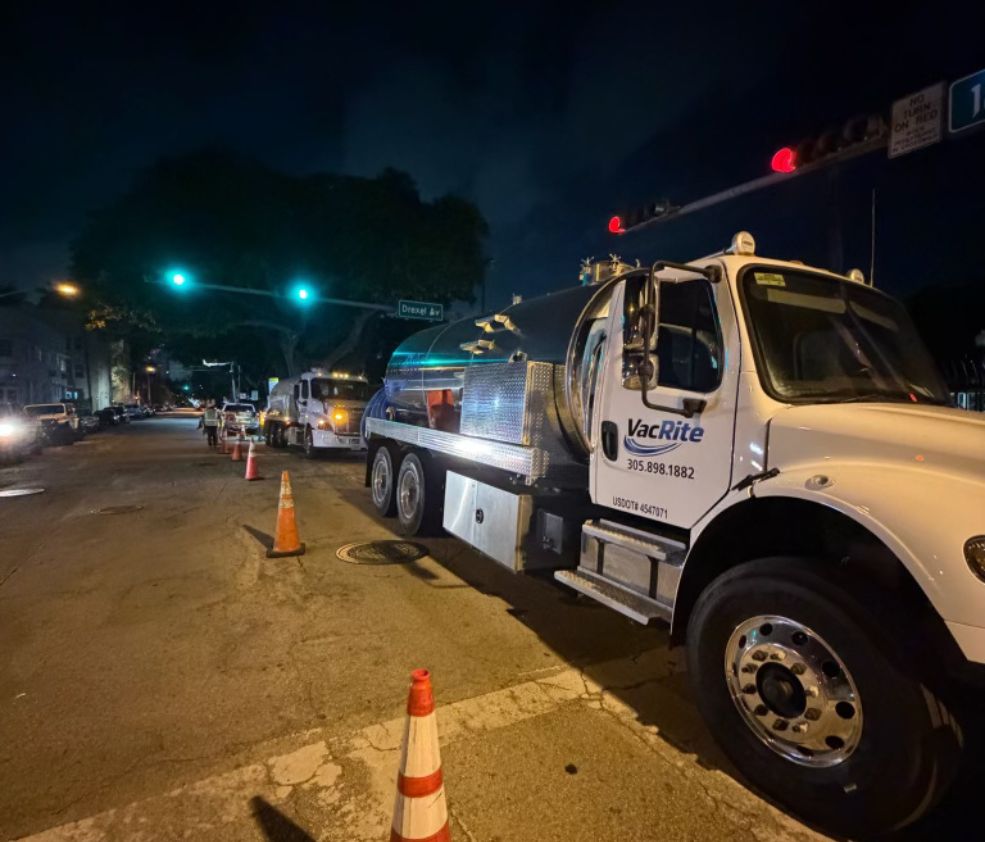
We run gas line daylighting across South Florida, including Miami, Fort Lauderdale, West Palm Beach, and the rest of the region. See every city we cover or look at the trucks on the job.
Tell us what the job is
Tell us about the gas line daylighting job. Where it is, what is around it, and when you need it.
Two trades, one call. We own the trucks, hold the permits, and put our own people on the job.
VacRite, Miami
info@vacriteservices.com
Open 24/7/365
USDOT 4547071