
Fiber Optic Daylighting
Opening test windows along a planned fiber route so the build gets designed around what is really in the corridor instead of what the records claim.
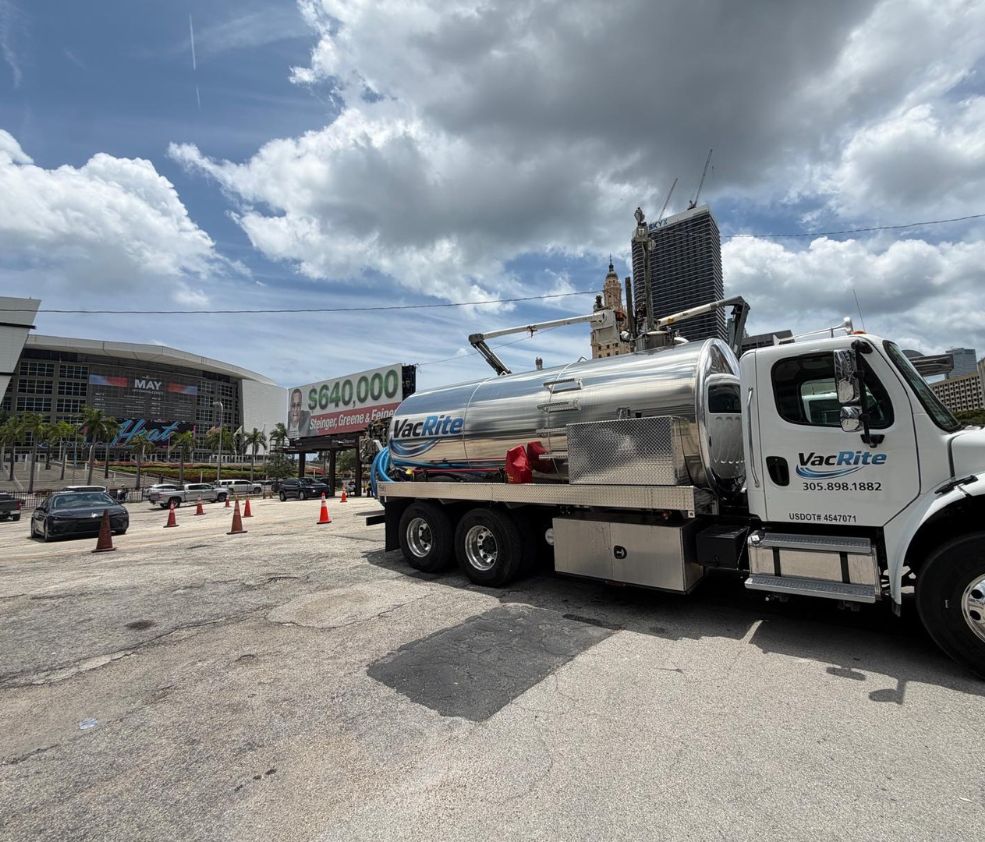
Fiber build contractors, carrier and ISP engineering teams, small-cell developers siting poles and radios, and boring crews who would rather find the conflict on paper than with a drill head.
How a job runs, step by step
Walk the alignment first
We start from the route drawing and the 811 marks and talk through where the questions actually are: crossings, bore entries and exits, handhole and vault locations, anywhere the corridor gets tight.
Open windows where they answer something
Exposures go in at the decision points rather than on an even spacing. A window that confirms nothing is a hole in somebody’s sidewalk for no reason.
Record every facility in the window
Not only the one on the drawing. Existing fiber, power, gas, water, irrigation, abandoned duct, all of it gets depth, size, material and position, because any of them can move a bore path.
Feed it back into the design
The numbers come back tied to your stationing while the route is still editable, which is the entire point of doing this before the crews mobilize.
Restore and haul
Windows get backfilled, compacted and the surface put back. Spoil leaves in the tank to a permitted facility under our haulers permit, documented.
The build is a bore, and a bore plan needs real depths
Almost nothing in fiber construction gets trenched anymore. It gets bored, and a bore is a committed path through ground you cannot see, launched at an angle and a depth decided in advance. That plan is only as good as the depths it was built on, and the inputs people usually hand a drill crew are 811 paint and an as-built. Paint is a horizontal projection with no depth in it at all. An as-built was accurate on the day it was drawn and has been quietly going stale ever since, through road widenings that relocated services without a redline, through lines abandoned in place with new ones laid alongside, through grade raised for a parking lot. Daylighting turns the assumptions at the crossings into measurements. A drill head that finds a duct bank at a depth nobody expected stops the job, and the meeting that follows is longer than the morning the test holes would have taken.
Small cells put the conflict at the surface
Small-cell work has a geometry problem that longhaul fiber does not. The equipment goes on a pole in a right of way that is already full, the pole foundation wants real depth in a narrow strip between a curb and a sidewalk, and the fiber and power have to reach it through that same strip. Everything that ever got buried in a right of way lives there: street lighting circuits, signal interconnect, irrigation, water services, the gas service to the building behind it. A base that has to move eighteen inches because something is in the way is a drawing revision when you find out early and a permit problem when you find out with a crew and an auger on site. Daylighting the foundation footprint and the conduit path answers that ahead of time. It also tends to be what a municipal permit reviewer is looking for on a right of way application.
Existing fiber is what you are most afraid of hitting
The awkward part of building fiber is that the corridor you want is usually the corridor somebody else already used. New routes get designed parallel to existing ones because both are chasing the same easements and the same road shoulders. So the facility most likely to be in your bore path is another carrier’s live fiber, and cutting it is the outcome with the longest tail: an outage on somebody else’s network, a claim, and a relationship with a carrier who will remember. Locating existing duct is harder than locating steel, since a plastic duct with no trace wire, or with a trace wire that broke sometime in the last decade, returns nothing to a locator. Abandoned duct sits alongside working duct with nothing to tell them apart from the surface. Opening ground is how those get separated, and every one found in a window goes into the record whether or not anyone asked about it.
Rock, water and the calendar in South Florida
A fiber route through Miami-Dade runs over limestone that starts shallower than crews from other states plan for, with a tidally influenced water table not far under it. Both matter to a bore plan, and both are visible in a daylight window before they are visible in a stuck drill string. Head west into the drained wetland ground behind Broward and Palm Beach and the ground goes soft and wet, drains through improvement district canals, and holds a wall poorly. Southwest toward Fort Myers and Naples it is sand that runs easy in both directions. Then there is the calendar. From June onward an afternoon storm is the default, hurricane season reorders everybody’s priorities for a week at a time, and permit windows in a busy corridor are often nights. Vacuum excavation copes with the wet part, since the tank lifts water and spoil together and a hole that refills is an ordinary Tuesday.
What comes back, and when it is worth having
The record is the product. Each window comes back with depth to top of every facility found in it, measured from existing surface, plus size, material, duct count where it can be read, ownership markings where they exist, condition, and direction of run. Everything gets tied to your stationing, your survey control or a hard feature like a curb line or building corner, so it drops into the drawing rather than needing translation. Photographs come with it, including a tape in the hole. The timing matters as much as the content. A conflict found during design moves a line on a drawing and costs an afternoon of drafting. The same conflict found during construction costs a stopped bore, a redesign under pressure, a change order and whatever the schedule slip is worth to whoever is paying for the build. Send the alignment and we will tell you where the windows earn their keep.
Worth knowing
The most valuable exposures on a fiber build are the ones at bore entries, exits and foreign crossings, not the ones spaced evenly down the route. Send the alignment and the bore plan rather than a hole count, and the day gets aimed at the questions that can actually stop your crew.

Ask any contractor where what they pump out actually goes. It is a fair question, and the answer tells you a lot.
VacRite
Other utilities work
The other side of the company
Most of our customers only ever need one half of what we do. It is worth knowing the other half exists.
Something failed tonight. Somebody answers.
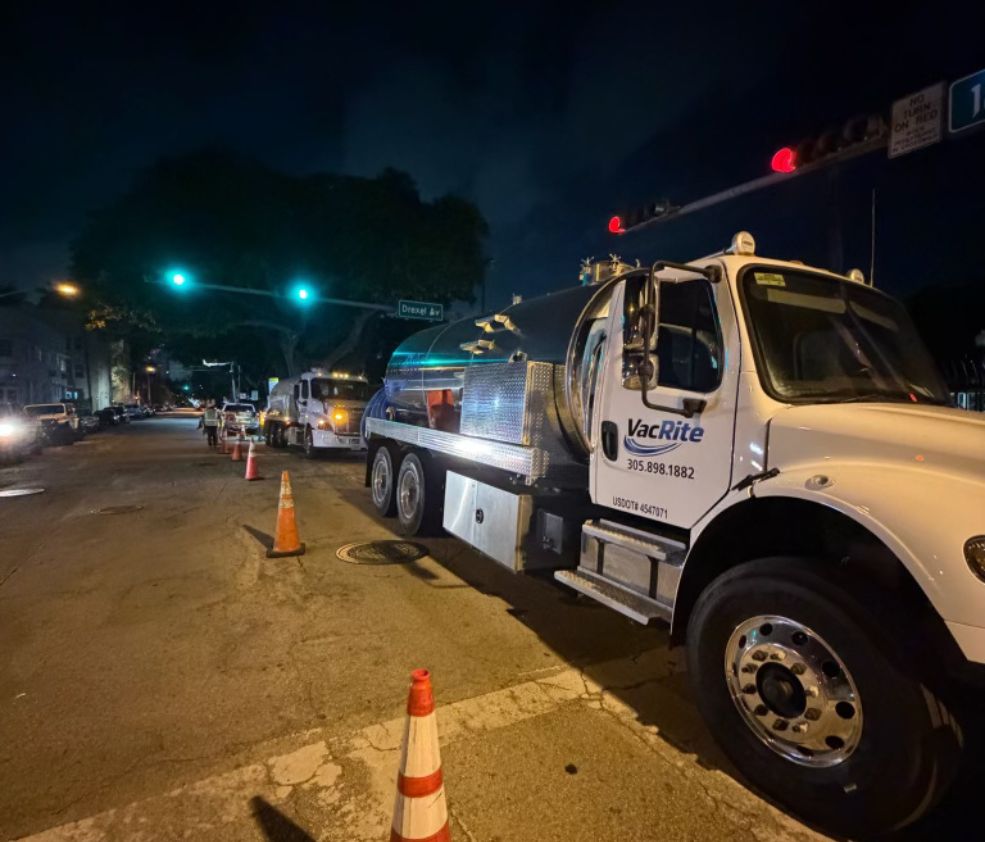
Struck line, blocked kitchen drain, a basin backing up in the middle of a storm. We run every day of the year, and the phone reaches a person rather than a queue. This company is first responder owned, and the emergency side of it works the way that suggests.
Questions we get asked
How is this different from exposing fiber for a splice?
Different job entirely. Exposure uncovers a known duct so somebody can work on it. Daylighting opens windows along a route to find out what is in the corridor before the build is designed, and most of what we record is other people’s utilities.
Can you daylight before we have a permit for construction?
Usually, though the test holes themselves may need their own right of way permit depending on the jurisdiction and whether they land in a travel lane. That is normal, and doing it early is the point. Tell us the corridor and we will work through it.
Will you find existing fiber that has no trace wire?
Often, yes. Plastic duct with no wire, or with a wire that broke years ago, returns nothing to a locator, which is exactly why ground gets opened. Tell us roughly where you think it runs and we will look for it without endangering anything else in there.
Do you work small-cell sites?
Yes, and they are worth doing early. The foundation footprint and the conduit path both sit in the fullest strip of a right of way, and finding the conflict before the auger arrives is the difference between a drawing revision and a permit problem.
How many exposures does a route need?
It depends on the alignment and how congested the corridor is. Straight runs through known ground need few. Downtown crossings and old easements need more. We would rather look at the drawing with you than hand you a number.
Can you keep up with a build schedule?
Yes. The trucks are ours, the drivers are ours and hold CDLs, and the fleet runs under our own USDOT number, so a scheduled window means something. We also run nights and weekends, which is when a lot of corridor work has to happen anyway.
Do you provide the data in a format our engineer can use?
Yes. Tell us the reference framework before the day, stationing, survey control, or a curb and building corner, and the depths and offsets come back tied to it, with photos including a tape shot, ready to go into the drawing.
We run fiber optic daylighting across South Florida, including Miami, Fort Lauderdale, West Palm Beach, and the rest of the region. See every city we cover or look at the trucks on the job.
Tell us what the job is
Tell us about the fiber optic daylighting job. Where it is, what is around it, and when you need it.
Two trades, one call. We own the trucks, hold the permits, and put our own people on the job.
VacRite, Miami
info@vacriteservices.com
Open 24/7/365
USDOT 4547071