
Utility Exposure
Uncovering gas, electric, water, sewer, fiber and telecom lines without touching them, so other trades can work with certainty.

Utility owners, contractors tying into existing services, repair crews, and anyone who needs a line uncovered rather than damaged.
How a job runs, step by step
Confirm what is being uncovered
Different utilities carry different consequences. The approach to a gas service and the approach to an irrigation line are not the same.
Open around, not into
Water erodes soil away from the line. The line itself is never the thing being cut.
Clean it off
The exposed section gets cleared enough to be inspected, tapped, repaired or tied into.
Hold it safe
If the excavation stays open for another trade, it gets protected and left in a condition somebody can actually work in.
Gas, electric, fiber, water, sewer
Gas services get uncovered without a spark or a scrape, which is why mechanical digging near them is restricted in the first place. Electric duct banks and direct-buried cable are uncovered without nicking insulation. Fiber is the least forgiving thing in the ground, since a single strand cut can take out service for a lot of people who have never heard of your project. Water and sewer are more forgiving but sit in the same congested corridors as everything else.
Working for the repair crew
Half of this work is uncovering a line so somebody else can fix it. That means the hole has to be the right size for a person to work in, the line has to be clean, and the excavation has to be stable. A hole that technically exposed the pipe but cannot be worked in has not done its job. So we ask before we roll: is somebody going in there with a fusion machine, a repair clamp, a splice case, a saddle? Each of those needs a different amount of room around the pipe and a different amount of room under it. Belling out the bottom so a repair crew can get a strap or a wrench underneath is a five minute decision on site and an hour of somebody else’s misery if it gets skipped.
Working inside the tolerance zone
The reason this service exists as a line item is that the tolerance zone around a marked facility is off limits to mechanical equipment. Once you are inside that buffer, digging by hand or by non-destructive method is the only thing left, and hand digging in limestone is a slow, discouraging way to spend a day. The 811 marks define where that zone begins, and we work from them, but marks are a horizontal approximation applied by somebody walking with a locator. They do not carry depth, they drift, and abandoned facilities and unmarked private lines behind the meter do not show up on the ticket at all. The water finds all of it without cutting any of it.
Holding the hole open safely
An exposure that another trade is going to work in is a confined space and a soil stability question rather than a hole. Anything a person enters gets sloped, benched or shored to whatever the soil demands, and South Florida soil demands attention. The loose sandy fill sitting over the rock through most of Miami-Dade will slough off a vertical wall without warning, especially once groundwater is moving through it. Out in the drained wetland muck west of Fort Lauderdale and toward the Glades, walls do not stand at all in any meaningful sense. Plating, barricade, cones and a cover over anything left overnight are ordinary parts of the work, and a hole in a travel lane or a sidewalk gets traffic control and a permit rather than a hope.
What ends up in the file
Every exposure gets written down the same way a test hole does, because most of the time somebody downstream needs it. Depth to top, size, material, wrap or coating condition, direction of run, and whether there is anything else stacked above or beside it. Photographs before we touch it, with it clean, and after backfill. Utility owners want that record for their own as-builts. General contractors want it for the change order conversation. Telecom crews want it because the next splice on that route is going to be somebody else’s problem in two years, and a photograph is a lot better than a memory.
Worth knowing
Tell us who is working in the hole after us and what they need to do. That changes the size and shape of the excavation more than the utility type does.
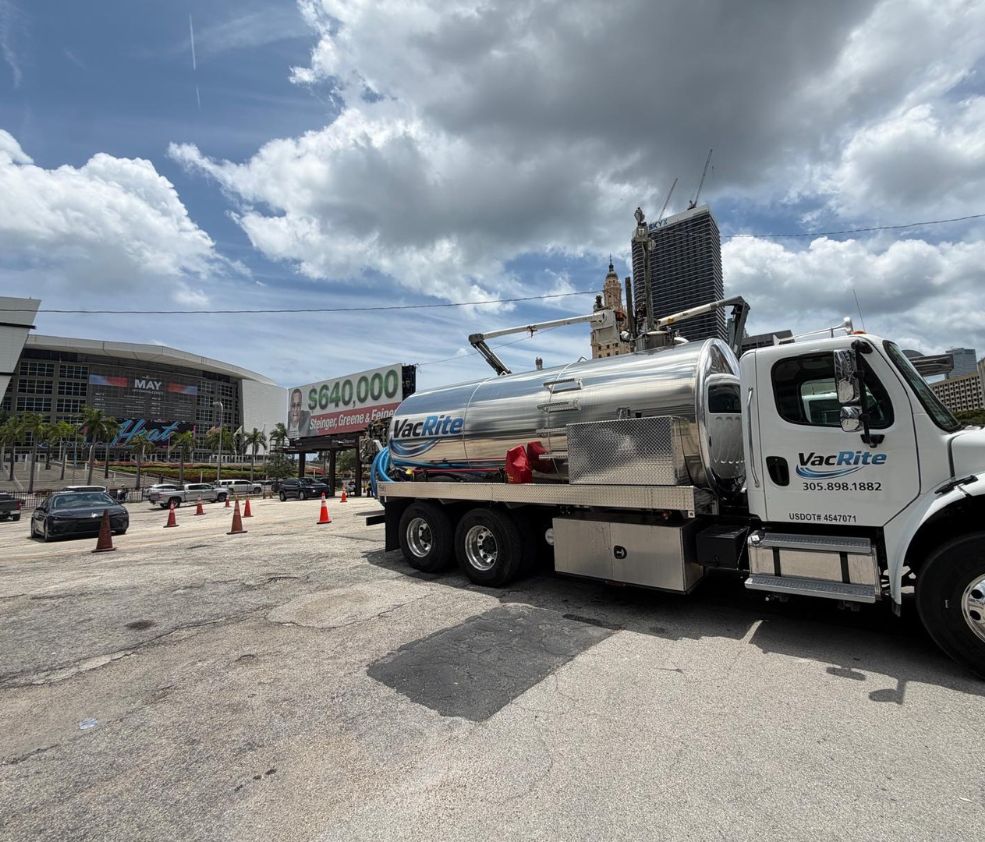
Ask any contractor where what they pump out actually goes. It is a fair question, and the answer tells you a lot.
VacRite
Other excavation work
The other side of the company
Most of our customers only ever need one half of what we do. It is worth knowing the other half exists.
Something failed tonight. Somebody answers.
Struck line, blocked kitchen drain, a basin backing up in the middle of a storm. We run every day of the year, and the phone reaches a person rather than a queue. This company is first responder owned, and the emergency side of it works the way that suggests.
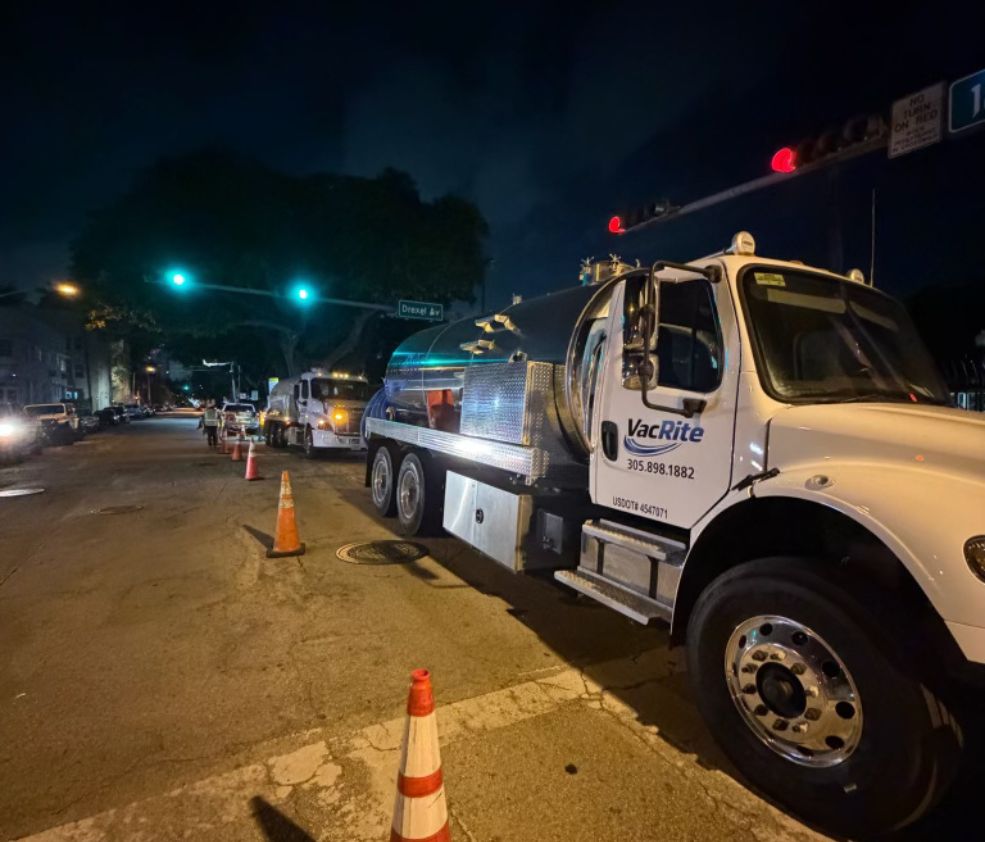
Questions we get asked
Can you expose a live gas line?
Yes, and non-destructive excavation is the standard method for it. Nothing mechanical touches the pipe.
Will you expose fiber without cutting it?
That is the method’s strongest argument. Water flows around conduit and cable rather than through it.
Can you leave the hole open for our crew?
Yes. Tell us how long and who is working in it, and it gets protected accordingly.
Do you work for utility owners directly?
Yes, alongside general and utility contractors. Both are routine for us.
What if the line turns out to be damaged already?
You get told immediately with photos. Pre-existing damage found during an exposure is worth documenting for everyone’s sake.
Can you find a line that was never marked?
Often, yes. Abandoned facilities, private lines past the meter and anything installed before good records do not come back on an 811 ticket, and finding them is a regular part of this work. Tell us roughly where you believe it runs and we will open ground for it without risking whatever else is down there.
Do you shore the excavation if our crew has to get in it?
Yes. Any hole a person enters gets sloped, benched or shored for the soil it is in, and around here that soil argues. Loose fill over the rock in Miami-Dade sloughs, and the muck out west does not hold a wall at all. Tell us how deep and how long, and it gets built to be worked in.
We run utility exposure across South Florida, including Miami, Fort Lauderdale, West Palm Beach, and the rest of the region. See every city we cover or look at the trucks on the job.
Tell us what the job is
Tell us about the utility exposure job. Where it is, what is around it, and when you need it.
Two trades, one call. We own the trucks, hold the permits, and put our own people on the job.
VacRite, Miami
info@vacriteservices.com
Open 24/7/365
USDOT 4547071