
Gas Line Exposure
Uncovering a live gas service or main so it can be repaired, clamped or tied into, with ignition control and the gas company in the loop from the first phone call.
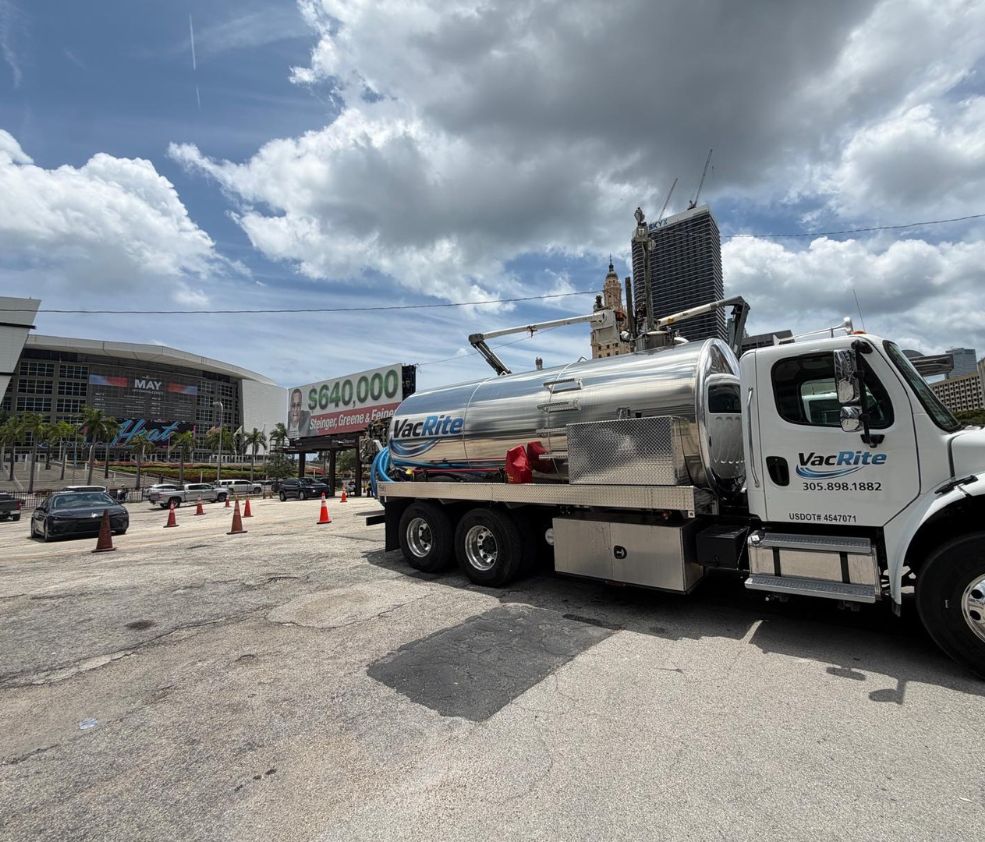
Gas utility crews, pipeline and mechanical contractors, and anyone who has to put hands on a pressurized gas line that is still in service.
How a job runs, step by step
Tell the gas company before anybody digs
Work on a live service gets coordinated with the operator, and on a leak or a strike they own the response. Their standby, their procedures and their clock come first, and our crew works inside that rather than alongside it.
Set the site up for ignition control
Traffic and pedestrians get kept back, ignition sources get shut down or moved out, equipment stages upwind where the ground allows, and monitoring runs before the first bit of soil comes off.
Take the ground off around the pipe
Water erodes soil away from the line and vacuum lifts it clear, with the wand kept moving and holding standoff so nothing dwells on the coating. No blade, no tooth, nothing rigid in the hole.
Clean the pipe for the work
The exposed section gets cleared enough for the crew to inspect it, clamp it, squeeze it off or cut and couple, with room around and under the barrel for the tool they are actually bringing.
Hold it, then close it
The hole stays dewatered, protected and workable while the repair happens, then gets backfilled in lifts with tracer and marking tape replaced as the operator requires, and the surface restored.
Ignition control is the plan, not a precaution
Everything about a live gas exposure is arranged around one idea: gas that escapes has to find nothing to light it. That starts before the truck is unloaded. Ignition sources get identified and dealt with, which on a real site means more than turning off a grinder. It means where the truck idles, where a generator sits, where a work light plugs in, whether there is a building intake nearby, whether the hole is close enough to a roadway that traffic is an ignition source in its own right. Wind direction decides staging. Monitoring runs continuously rather than as a check at the start. The excavation method itself is part of the safety case, because water and vacuum put nothing rigid, nothing sparking and nothing heavy near a pressurized pipe. A vacuum unit is quiet about gas in one specific way that matters: the tank is not an ignition source and the spoil coming off is wet. None of this is exotic. It is ordinary discipline applied every single time, including on the small jobs where nothing eventful is expected.
What happens when you smell gas in the hole
Odor during an exposure changes the job immediately. Work stops, the area gets cleared back, the operator gets called, and nobody negotiates about it. That is the correct answer even when it turns out to be a small seep on an old fitting, because the crew in the hole is not the party qualified to decide how much gas is acceptable. On a suspected leak the gas company runs the response and the excavation exists to serve their crew: get to the pipe, get it clean, keep the hole from filling with water, and keep everyone who does not need to be there away from it. Being first responder owned shapes how this company handles that moment. Nobody is trying to finish the hole. Calls at any hour get answered by somebody who has worked scenes where stopping was the right call, and the instinct to stop early is treated as an asset rather than a delay.
Coating, tracer wire and what the operator will look for
Gas mains and services are protected by what is on and around them, and the exposure has to hand the pipe back in the condition it was found. Coating damage on a steel main becomes a corrosion site later, so the wand holds standoff, uses a tip that spreads energy rather than concentrating it, and never sits still against the pipe. Polyethylene service line is more forgiving of water and less forgiving of anything mechanical, and it is usually the shallow one nobody expects. Tracer wire runs with plastic pipe and is easy to part with a careless dig, which matters because parting it is how a line stops being locatable for everyone who comes after you. Warning tape sits above the pipe and goes back in the backfill where it belongs. Operators inspect for all of this before they sign off, and the crew that assumes only the pipe matters is the crew that gets called back.
Wet holes, congested corridors and the ground it happens in
A gas exposure in South Florida meets the same water everything else does. A high, tidally influenced table means a hole takes water while you are still working in it, and a repair crew cannot squeeze off or fuse a line standing in a hole that is filling. The vac truck lifts water and spoil together while excavating, and a pump with a sump in the corner keeps it workable through the repair. The other reality is company: gas rarely runs alone. It shares corridors with electric, water, communications and irrigation, and old services relocated during a road widening sit wherever the road work left them. Loose fill over the limestone through Miami-Dade sloughs once water moves in it, so a hole a person enters gets sloped or shored for what the soil is doing rather than what it looked like at eight in the morning. In a travel lane, add traffic control and in most municipalities a permit.
Gas work happens at the wrong hour
The planned gas exposures go the way they were drawn. The ones that decide whether you keep a number in your phone are the other kind: a strike at four in the afternoon on a Friday, an odor call in a parking lot, a squeeze-off that did not hold. Those arrive when the office is closed, and the only question that matters is whether a truck with a CDL driver behind it can actually roll tonight. Ours can, because the equipment and the drivers are ours rather than brokered. What we need from you on that call is short: whether the operator has been notified, whether anything is suspected to be leaking, where the gas is relative to the building intakes, and how a truck gets close enough for the hose to reach. A gas job where the crew arrives calm and the site is already cleared back is a job that ends with a repair. The other kind ends with an evacuation.
Worth knowing
Say the word gas on the first call, and say whether anything is suspected to be leaking. It changes the approach, the site setup, who has to be present before ground opens, and how fast we can be useful. A gas exposure arranged as a routine dig and then discovered to be a live leak wastes the one hour that mattered.

Ask any contractor where what they pump out actually goes. It is a fair question, and the answer tells you a lot.
VacRite
Other utilities work
The other side of the company
Most of our customers only ever need one half of what we do. It is worth knowing the other half exists.
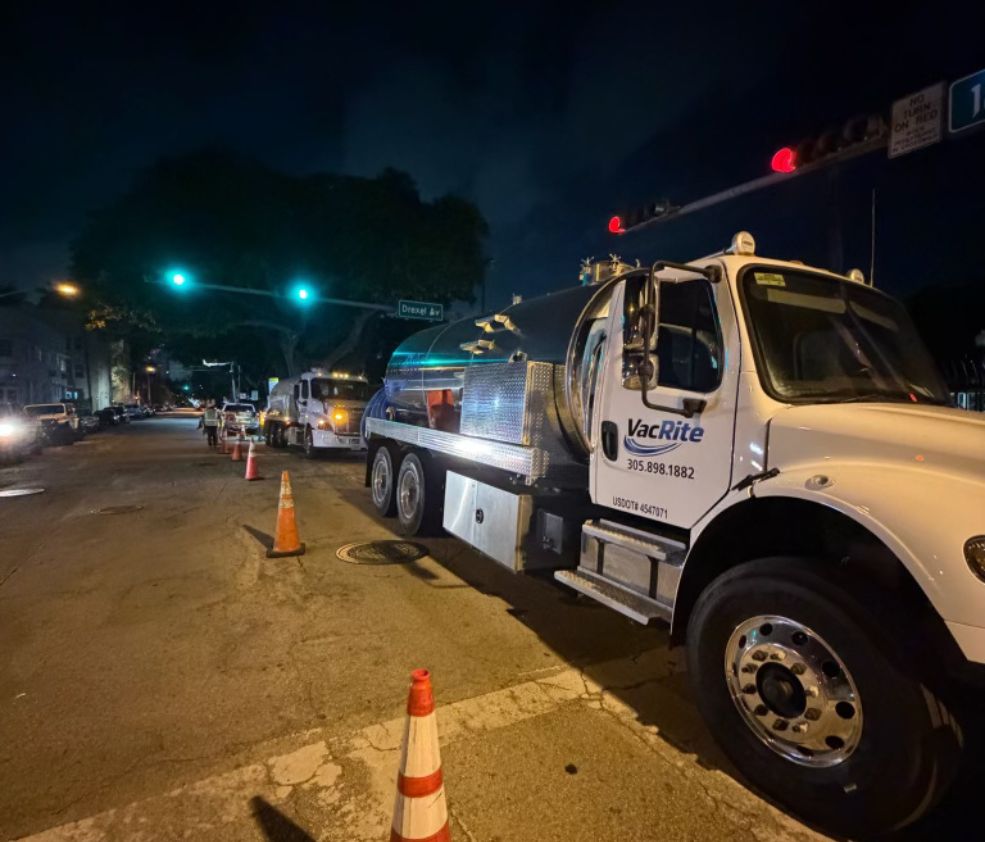
Something failed tonight. Somebody answers.
Struck line, blocked kitchen drain, a basin backing up in the middle of a storm. We run every day of the year, and the phone reaches a person rather than a queue. This company is first responder owned, and the emergency side of it works the way that suggests.
Questions we get asked
Can you expose a live gas line without shutting off the service?
Yes, and non-destructive excavation is the accepted method for exactly that. Nothing mechanical goes near the pipe, so the line stays in service while it is uncovered. Whether your own repair then needs a shutdown is between your crew and the operator.
Do you contact the gas company or do we?
Somebody has to, and it happens before ground opens. On planned work the party holding the contract usually makes that call and we work inside whatever standby and procedure the operator sets. On a suspected leak, call them and call us, in that order.
What happens if you smell gas while digging?
Work stops, the area is cleared back and the operator is called. That is the answer every time, including when it turns out to be minor. The crew in the hole is not the party qualified to decide how much gas is acceptable.
Will the water damage the pipe coating?
Not when the tip, the pressure and the standoff are right and the wand keeps moving. A tight jet allowed to dwell will eventually mark a coating, which is why that is the actual craft of the work. If your operator’s specification caps pressure or restricts tip type, send the wording and the crew runs to it.
Can you expose plastic gas service line safely?
Yes. Polyethylene service is more forgiving of water than of anything mechanical, which is why this method suits it. The thing that needs care is the tracer wire running with it, since parting that is how a line stops being locatable for the next crew.
Can you keep the hole open and dry while our repair crew works?
Yes, and it is the usual arrangement. A pump and a sump keep it workable, it gets sloped or shored for the soil, and it stays protected between shifts. Backfill goes in when the repair is signed off, with tracer and warning tape replaced as the operator requires.
Do you respond to gas emergencies at night?
Yes, around the clock, every day of the year. The trucks and the drivers are ours, so a night call does not depend on somebody finding a subcontractor. Tell us about access when you call: gate, key, overhead clearance and whether the work sits in a travel lane.
We run gas line exposure across South Florida, including Miami, Fort Lauderdale, West Palm Beach, and the rest of the region. See every city we cover or look at the trucks on the job.
Tell us what the job is
Tell us about the gas line exposure job. Where it is, what is around it, and when you need it.
Two trades, one call. We own the trucks, hold the permits, and put our own people on the job.
VacRite, Miami
info@vacriteservices.com
Open 24/7/365
USDOT 4547071