
Sweetwater
Excavation, grease and drainage work in Sweetwater, off our own trucks and answered around the clock.
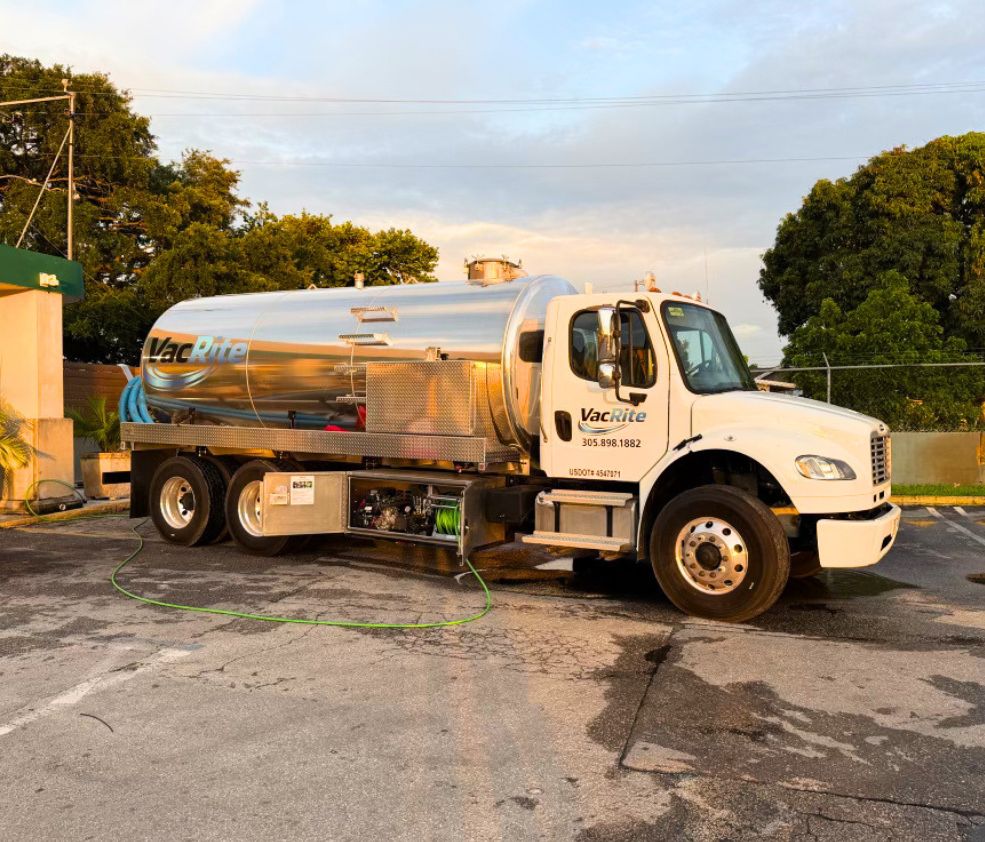
Working in Sweetwater
We work Sweetwater regularly, mostly around the Tamiami Trail stretch of SW 8th Street and the Dolphin retail cluster nearby.
Western Miami-Dade toward the Everglades transition, low and wet, with a real history of flooding. Storm drainage that is even slightly behind shows up quickly in a rain event here.
Who calls us here
Retail and food-court kitchens next door, student-driven restaurants, and commercial plaza drainage.
What we run in Sweetwater
Flooding is the reason we know this city well. Sweetwater sits low on the western edge where the ground transitions toward the Everglades, and it has a real history of water in the streets, so storm drainage that is even slightly behind announces itself in the first hard rain. Basin cleaning and maintenance is steady work here and it is not cosmetic. On the grease side, the Tamiami Trail corridor and the retail cluster nearby carry food-court and student-driven restaurants, which run high volume on low margins and cannot afford a shutdown, so we keep traps pumped and lines jetted on a schedule instead of waiting for a call. Excavation work is wet-ground utility locating on commercial sites.
Getting a truck in
Retail and food-court kitchens tie into shared service corridors, so the trap we need is often behind a common back hallway rather than out at the curb, and the property manager holds the keys. We work those before opening. SW 8th Street through here is busy all day and heavier when school is in session, and the expressway ramps nearby stack up at the same hours, so the route matters. Residential streets in the older part of the city are narrow with cars on both sides. After heavy rain, standing water hides what the shoulder actually looks like, which is a good reason to keep the truck on pavement we can see.
Through the year
Wet season defines the year here more than anywhere else we work. From May through October a single afternoon storm can put water where it does not belong, and every basin that has silted up makes it worse. We push clients hard to get cleaning done in the spring. Hurricane season raises the stakes on the same problem. Restaurant volume follows the academic calendar rather than the tourist one, so it climbs in fall and spring and drops noticeably over the summer break, which is a useful window for the scheduled work.
Sweetwater sits in Miami-Dade County, and everything on this page runs out of our yard in Miami. See the rest of Miami-Dade or look at the trucks working.
What we run in Sweetwater
Both halves of the company work this city. Excavation on one side, grease and drainage on the other, one phone number for both.
Also close by
We are usually working somewhere in this corner of Miami-Dade already.
One call covers both halves of the job in Sweetwater
Most operators working this city do one side or the other. A vacuum company that pumps grease traps generally does not daylight a gas service, and an excavation outfit generally does not want to hear about your kitchen line. We run both off the same yard in Miami, with the same trucks and the same permit set.
Take a blocked kitchen line. Clearing it is a jetting job. Finding out why it keeps blocking can mean exposing the lateral, and if that lateral runs under a finished surface next to other buried services, the digging is the careful part. Those are usually two vendors and two schedules. Here they are one visit.
The same logic runs the other way. A restaurant with a line that keeps blocking has a jetting problem and a trap interval problem, and treating either one alone means doing it again in a few months. Because the crew that clears the line is the crew that services the trap, the conversation covers both instead of stopping at the edge of somebody’s scope.
What you get in writing
Every environmental service in Sweetwater generates a manifest showing what came out and where it went, before and after photographs, and disposal records from an approved facility. That file is what an inspector asks for, and it is the reason the haulers permit and the dumping permit matter rather than being background detail.
On the excavation side the deliverable is different but the principle is the same. An exposed utility gets measured for depth and offset, identified by size and material, and photographed, so the drawing can be corrected before a trench crew corrects it the expensive way. Everything we run is available across this area, and telling us the job is the fastest way to find out which part of it you actually need.
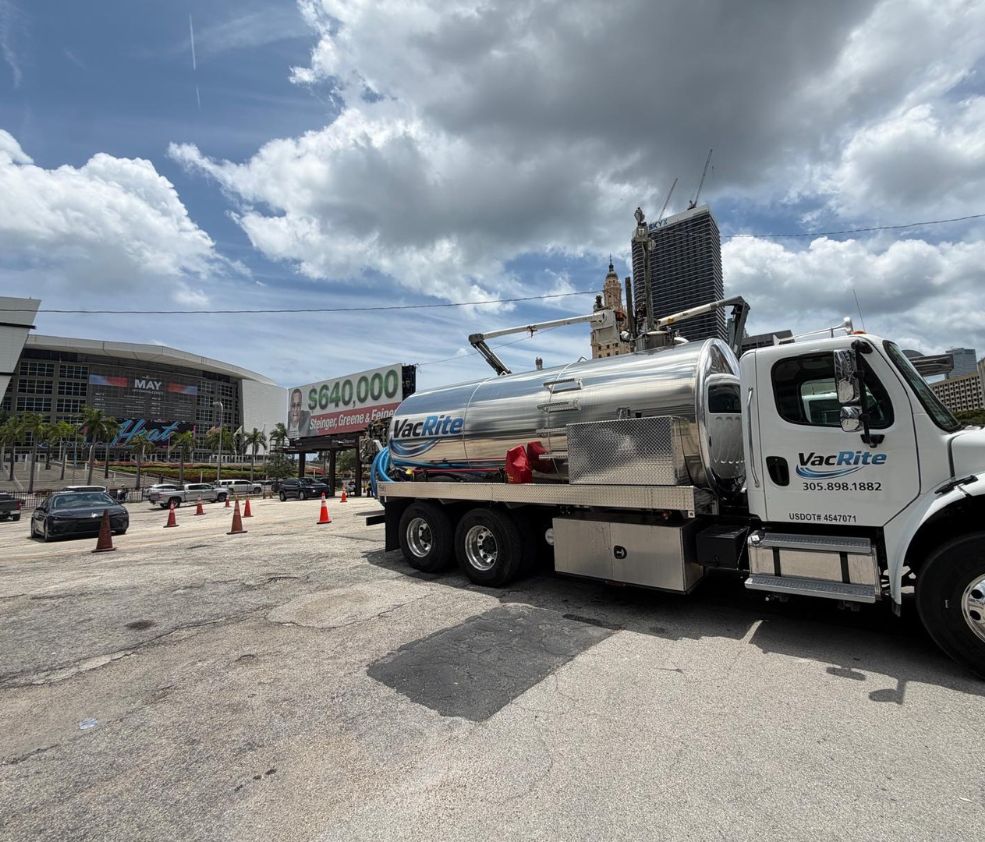
Something failed tonight in Sweetwater. Somebody answers.
Struck line, blocked kitchen drain, a basin backing up in the middle of a storm. We run every day of the year, and the phone reaches a person rather than a queue. This company is first responder owned, and the emergency side of it works the way that suggests.
Questions we get asked
Do you charge extra to come out to Sweetwater?
Sweetwater is inside the area we run. Tell us the job and we will tell you plainly whether it makes sense for us to be the ones doing it.
How fast can you get a truck to Sweetwater?
Depends what is already running and where you are. Call and you will get a real answer rather than a maybe. We run every day of the year.
Do you service both restaurants and construction sites in Sweetwater?
Both. Grease traps and cooking oil on one side, excavation and utility work on the other, out of the same yard.
Do you work nights here?
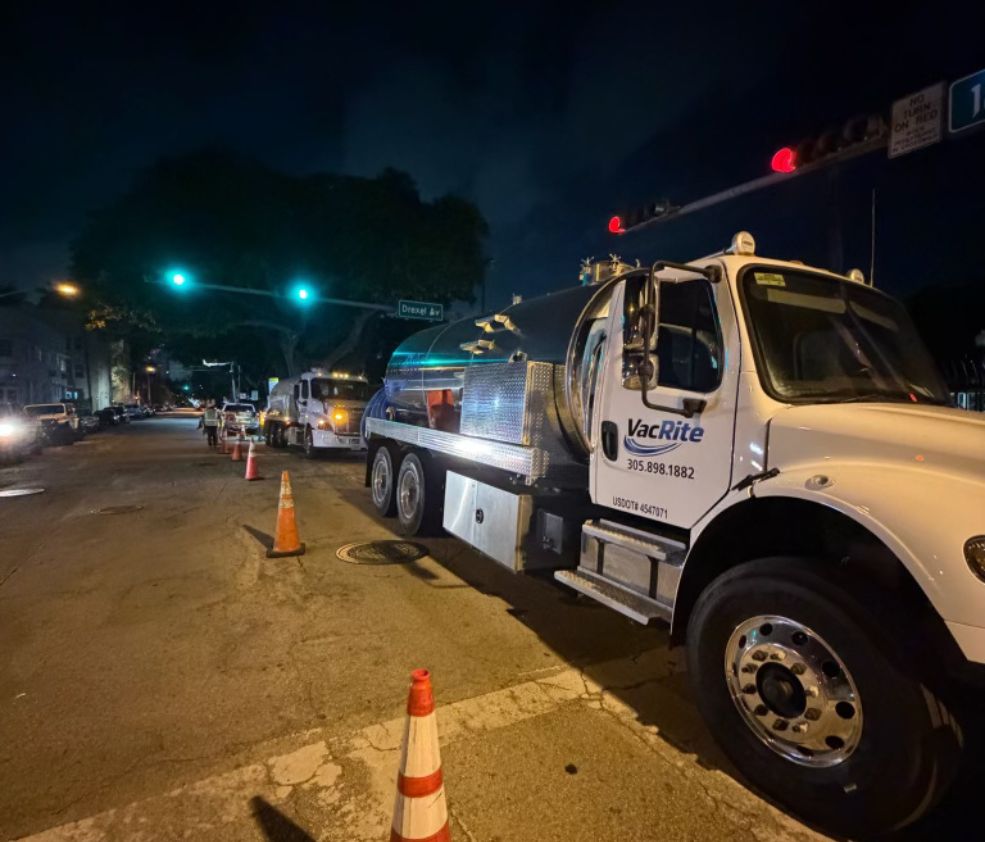
Regularly. Most kitchen work in Sweetwater happens after close, and a lot of utility work has to happen off-peak.
What paperwork do we get?
Manifests, disposal records and photos on the environmental side, and measured, photographed utility records on the excavation side.
Tell us what the job is
Tell us where in Sweetwater the job is and what is going on.
Two trades, one call. We own the trucks, hold the permits, and put our own people on the job.
VacRite, Miami
info@vacriteservices.com
Open 24/7/365
USDOT 4547071