
Pipeline Utility Exposure
Opening the ground at a crossing where a pipeline and another utility meet, exposing both facilities at once so a tie-in or a conflict can be resolved with real numbers.
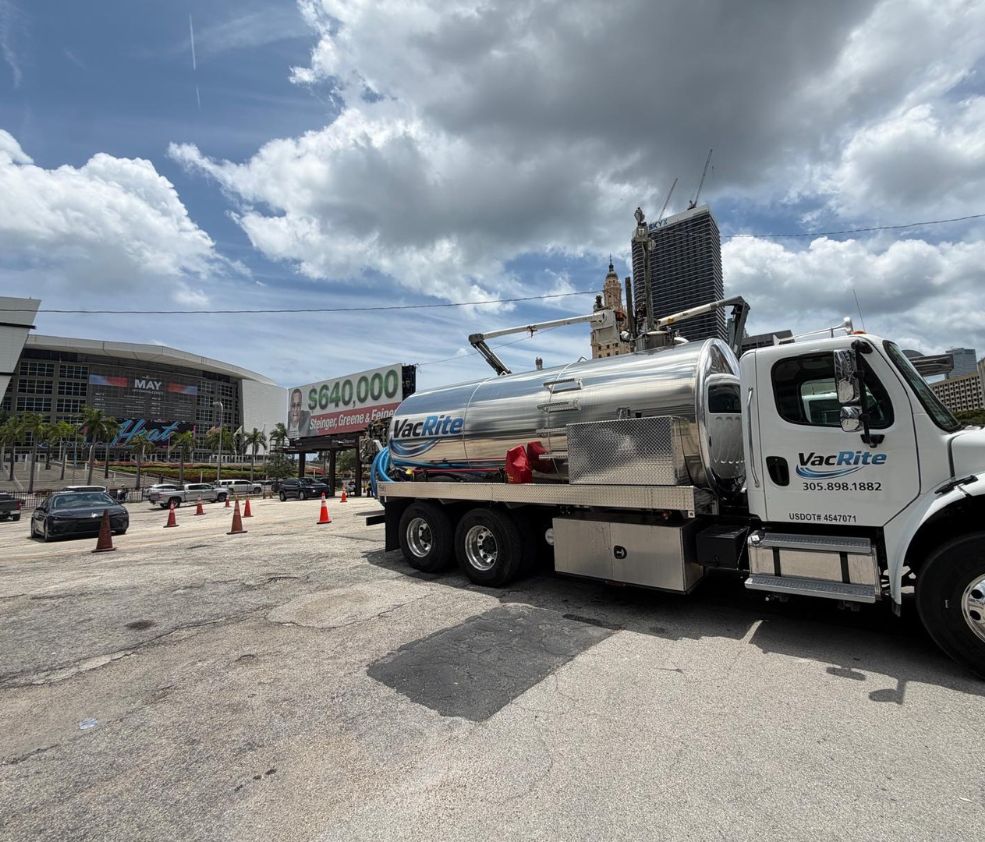
Pipeline operators and their contractors, plus foreign line owners and roadway crews whose work has to pass over, under or alongside somebody else’s transmission line.
How a job runs, step by step
Establish who owns what
A crossing has at least two owners and usually two sets of rules. Before ground opens we know whose line is whose, who has to be notified, and whether anybody requires a representative on site.
Ticket it and read the marks against both records
One-call marks come down and get compared against the pipeline alignment sheet and the foreign owner’s records. Where the two disagree is exactly where the hole belongs.
Open over the shallower facility first
The upper line gets found before anything goes deeper. Working blind past one facility to reach another is how a routine crossing turns into a damage report.
Expose both and measure the gap
Both facilities come clean, and the vertical and horizontal separation between them gets measured directly rather than derived from two separate depths taken on different days.
Hold it, then close it
The excavation stays open and workable while the tie-in, the repair or the design decision happens, dewatered and protected between shifts, then backfilled and restored.
A crossing is a different problem from a dig
Most excavation questions have one answer buried in them. A crossing has two, and the thing you actually need is the relationship between them. How much vertical separation is there. Does the foreign line pass over the pipeline or under it. Does it cross square or on a skew, because a shallow skew means the two share ground for a long distance rather than at a point. Is there a casing involved, and if so, where do the ends sit relative to the crossing. None of that comes off a drawing with any reliability, because each owner drew their own facility and neither drew the other one accurately. Two depths measured at two different times by two different parties do not produce a separation number you can build against. One hole with both facilities in it does. That is the entire reason this work gets ordered as its own scope instead of being folded into a generic test hole.
Whose rules govern which part of the hole
Crossings are where paperwork gets complicated, and it is worth getting straight before a truck rolls. A transmission operator typically has conditions about who may excavate near their facility, how close mechanical equipment may come, whether a company representative must be present, and what gets documented. The foreign line owner has their own version of the same thing. If the crossing sits in a roadway there is a DOT or county right of way permit with conditions attached, and if it sits on private ground there is an easement with language nobody has read since it was recorded. Those requirements do not merge into an average. The strictest one governs the whole hole. Send us the crossing agreement, the permit and the operator’s excavation requirements before the day and the crew works to the actual language. Reconstructing compliance afterward is a much worse experience than reading three documents in advance.
Finding the upper line before you are past it
The sequence at a crossing is not negotiable, and it is where crews get into trouble. You find the shallower facility first, positively, and only then go deeper. It sounds obvious written down. In the field the temptation is to open ground toward the target everybody is being paid to look at, which on a pipeline job is the pipeline, and to treat the foreign line as something that will turn up on the way. Water excavation makes that mistake survivable rather than acceptable, since the wand finds a fiber duct or a gas service without cutting it. The discipline still matters, because an unexpected facility found at the wrong moment stops the day whether or not it got damaged. The harder version of this is the stacked crossing, where a locate mark represents two lines and the second one is under the first. Around here that turns up in corridors that have been rebuilt two or three times since the sixties.
Casings, coating and the tie-in itself
A good share of crossing work exists to support a tie-in, and a tie-in has requirements the excavation has to serve. There has to be room to cut, fit and weld or fuse, which is considerably more room than there is to look at something. There has to be room under the pipe. If a hot tap or a stopple is planned the fitting needs clearance all the way around the barrel, and the crew doing it will have opinions about the shape of the hole that are much better collected in advance. Where a casing is involved, the ends and the vents and the condition of the seals matter as much as the carrier pipe. And in every case the coating on both facilities is a finding: a scrape, a disbondment or a bare spot at a crossing is exactly the kind of thing an integrity program wants photographed and reported, because crossings are where interference and corrosion concentrate.
What the record has to answer
The deliverable from a crossing exposure is a separation measurement plus enough context that somebody who never stood in the hole can design against it. That means depth to top of each facility from the existing surface, with the surface condition stated, since a depth without a stated reference is a number without a meaning. Outside diameter and material for both. The measured vertical clearance between them and the horizontal offset, with the crossing angle noted where it is not square. Coating condition on anything visible. Casing presence. Everything else found in the same window, listed even when nobody was looking for it. Photographs including one with a tape spanning the gap, because a separation number in a table is an assertion and a photograph of it is evidence. Tell us your reference framework, whether that is stationing on an alignment sheet, project control or a survey point, and the record comes back in it.
Worth knowing
Get the second owner into the conversation before the truck rolls, not after the hole is open. A crossing exposure that satisfies the pipeline operator and surprises the fiber or gas owner whose line is in the same hole becomes a stopped job and an awkward phone call. Both owners, both sets of requirements, one plan.
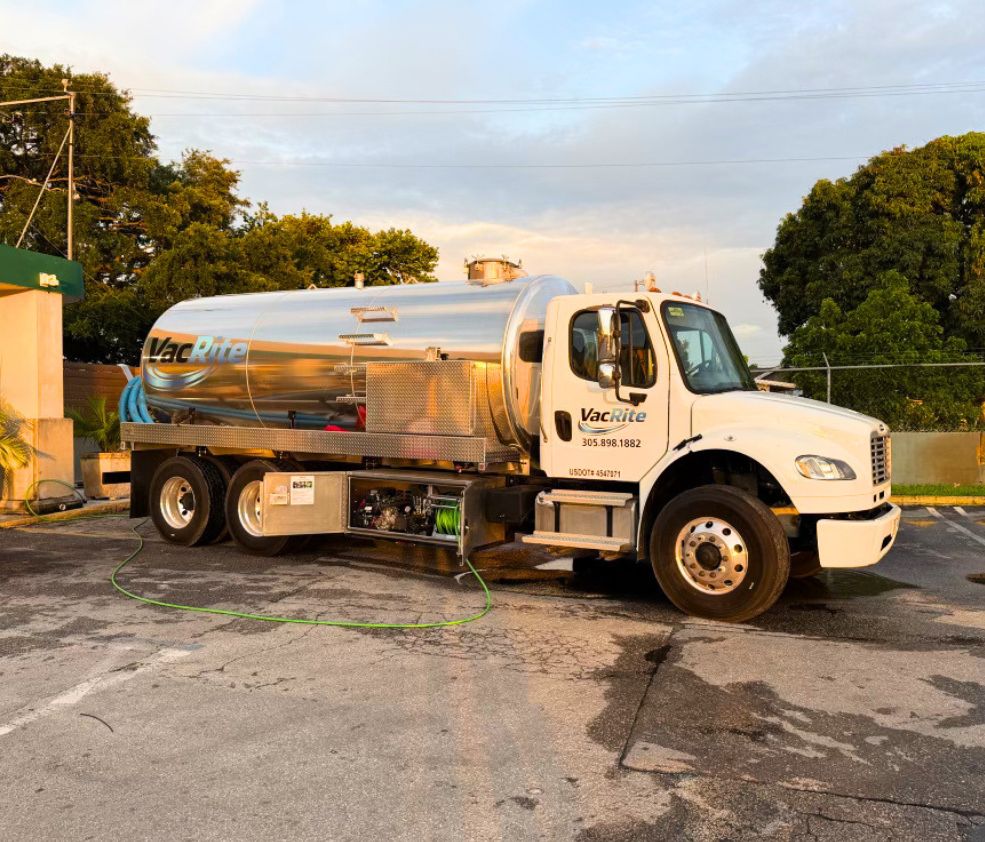
Ask any contractor where what they pump out actually goes. It is a fair question, and the answer tells you a lot.
VacRite
Other pipeline work
The other side of the company
Most of our customers only ever need one half of what we do. It is worth knowing the other half exists.
Something failed tonight. Somebody answers.
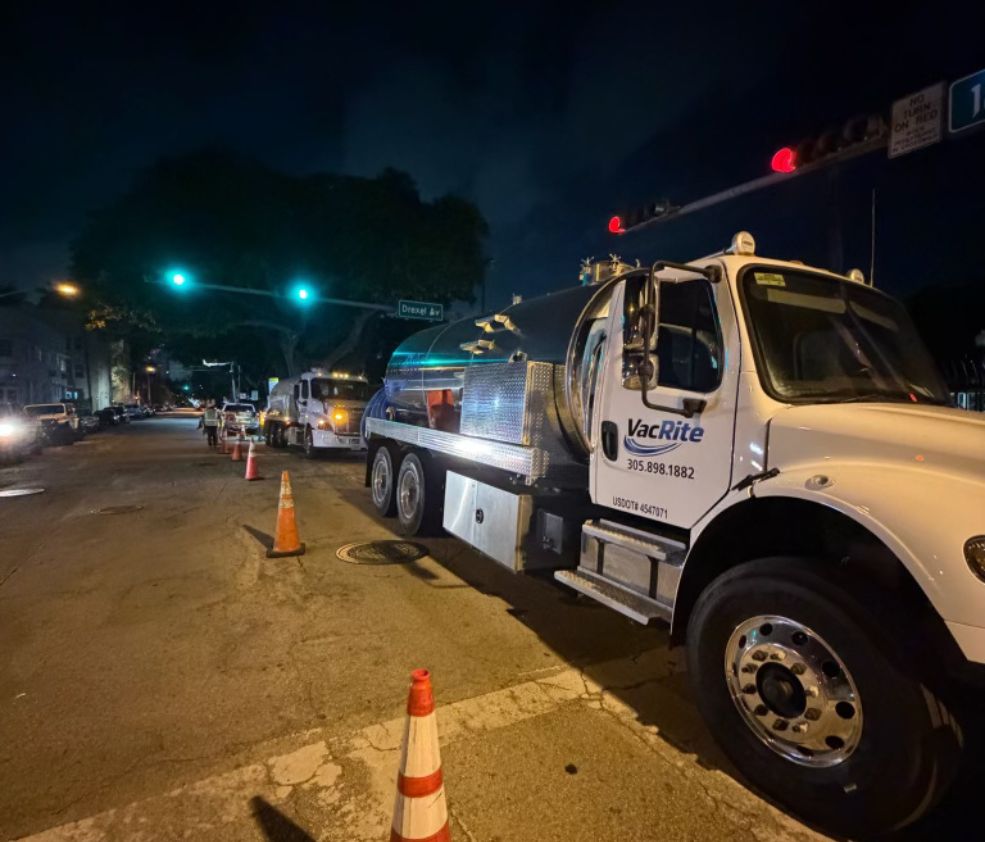
Struck line, blocked kitchen drain, a basin backing up in the middle of a storm. We run every day of the year, and the phone reaches a person rather than a queue. This company is first responder owned, and the emergency side of it works the way that suggests.
Questions we get asked
Can you expose both lines in the same excavation?
That is the point of the scope. One hole with both facilities in it gives you a measured separation. Two depths taken separately on different days give you two numbers and an assumption between them.
Which line do you dig to first?
The shallower one, positively, before anything goes deeper. Working past an upper facility to reach a lower one is how a routine crossing turns into a damage report, even when the method itself is forgiving.
Do you work under the operator’s crossing agreement?
Yes, and we would rather read it first. Crossing agreements, foreign line owner requirements and right of way permits do not average out. The strictest condition governs the whole excavation.
Can you keep the hole open for the tie-in crew?
Yes, and it is usually the sensible arrangement. Tell us who is going in it and what they are doing so the excavation is sized for a weld, a fitting or a stopple rather than for looking at a pipe.
What if the separation turns out to be less than the records show?
You hear about it that day with photographs and a measured number. Insufficient clearance at a crossing is one of the most common findings this work produces and it is far cheaper to learn on a Tuesday than during an installation.
Do you document coating condition at the crossing?
Yes. Crossings are where interference and corrosion concentrate, so bare spots, disbondment and scrapes on either facility get photographed and reported whether or not anybody asked for it.
What about a casing at the crossing?
The casing ends, vents and seal condition get exposed and recorded along with the carrier pipe where the scope reaches them. Tell us in advance if the casing is the actual question, because it changes how much ground gets opened.
We run pipeline utility exposure across South Florida, including Miami, Fort Lauderdale, West Palm Beach, and the rest of the region. See every city we cover or look at the trucks on the job.
Tell us what the job is
Tell us about the pipeline utility exposure job. Where it is, what is around it, and when you need it.
Two trades, one call. We own the trucks, hold the permits, and put our own people on the job.
VacRite, Miami
info@vacriteservices.com
Open 24/7/365
USDOT 4547071