
Pipeline Exposure
Uncovering transmission pipe for an integrity dig so the coating, the wall and the feature an inline tool called out can all be examined in the condition they were found.
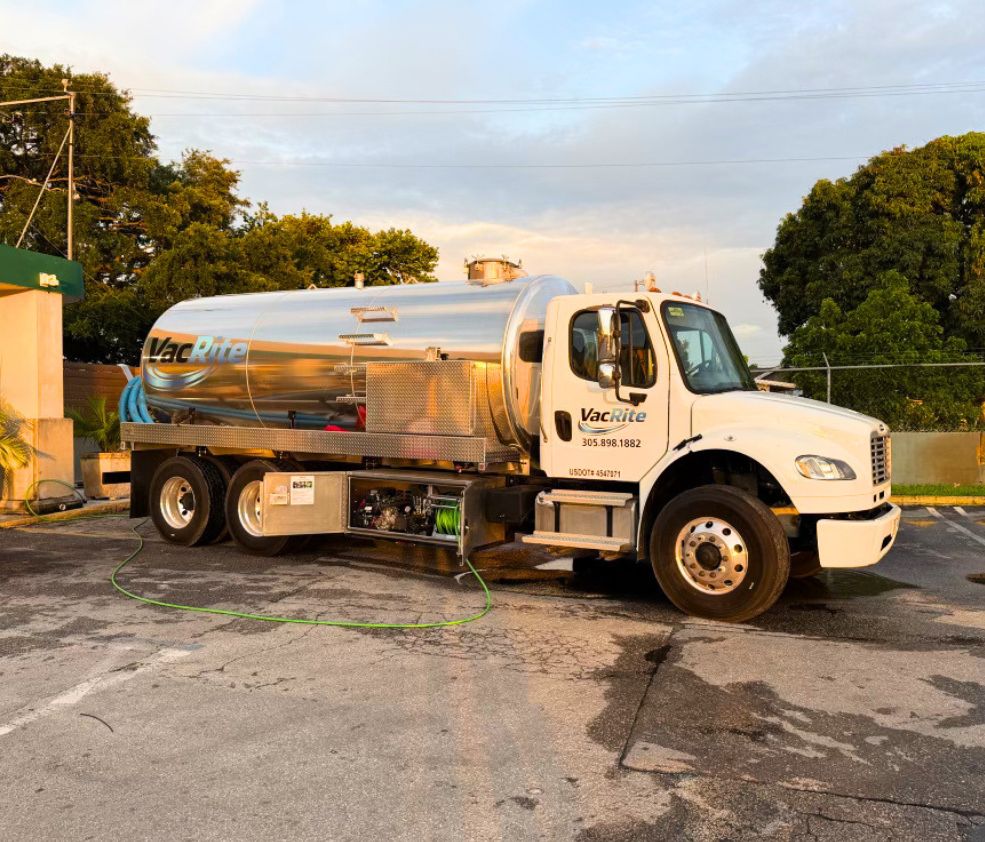
Pipeline operators, integrity management groups, NDE and inspection houses, and the contractors who run anomaly digs against a dig sheet.
How a job runs, step by step
Work from the dig sheet, not from a stake
The feature has a location referenced to a weld, a girth or a tool log distance, and it has a length. The excavation gets planned against that record and the operator’s dig procedure before anybody stages, because a hole placed to a flag rather than to the feature is a hole that gets reopened.
Uncover the pipe with the coating intact
Water takes the soil off and the vacuum lifts it away. Nothing mechanical contacts the barrel, so the coating handed to the inspector is the coating that was in the ground, which is the only version worth assessing.
Clean the surface for the technique that is coming
Ultrasonic, magnetic particle and in-ditch measurement all need surface preparation and access, and each wants something different. The exposure gets cleaned to the standard the procedure calls for rather than to whatever looks tidy.
Give the technician full circumference and reach
The dig gets sized so probes can be worked around the barrel, including underneath it, across the whole area of interest and past both ends of it. Half a feature examined is not an examination.
Hold it open through inspection and any repair
The hole stays dewatered, shored and protected while inspection runs, while a recoat or a sleeve goes on if the finding calls for one, and it gets backfilled and the right of way restored when the work is signed off rather than reopened next month.
An integrity dig is an examination, and the excavation is part of it
The purpose of this hole is evidence. Somebody is going to write down what the pipe looked like, what the coating was doing, what the wall measured and whether the feature an inline tool reported is what the tool thought it was. Every one of those findings is only as honest as the condition the pipe arrives in. A tooth mark added during excavation contaminates the assessment, because now the coating damage in the photograph has two possible authors and the one the report needs is the ground. That is why operators write non-destructive excavation into the procedure rather than leaving it to preference. Water erodes soil and flows around the barrel, so the disbondment, the holiday, the corrosion cell and the mill scar all get handed over exactly as the years left them. This is the reason the excavation contractor on an integrity dig is a technical participant rather than a machine rental.
Coating is evidence before it is protection
On an operating line the coating is the first thing the inspector reads. Where it is disbonded, where water has been sitting under it, whether the cathodic protection has been reaching what is beneath it, how the mainline coating and the field joint coating have aged differently: that story explains the corrosion the wall measurements are about to quantify. Different systems behave differently in the ground and in the hole. Coal tar on older line, fusion bonded epoxy on newer, tape wrap at field joints, and shrink sleeves that have their own well known failure habits at the overlap. Each responds differently to water pressure and to a wand that sits still, which is why the tip spreads energy rather than concentrating it and the operator keeps standoff and keeps moving. A coating survey with a holiday detector usually follows the dig, and a hole that added its own defects makes that survey argue with itself.
Verifying what the inline tool called
The dig exists because a tool run flagged something, and the field examination has to confirm, correct or dismiss the call. That is a comparison, so the excavation has to make the comparison possible. The feature has a reported length, a reported orientation on the clock and a reported distance from a reference weld, and the exposure needs enough pipe on both sides of it that the technician can find the reference, work the full extent of the area of interest and then keep going far enough to be confident nothing was missed at the edges. Features arrive in clusters more often than the sheet suggests. The barrel has to be reachable at every clock position, top, sides and bottom, because external corrosion prefers the bottom of the pipe where water sits and that is the hardest place to get a probe. A hole sized to expose the top of the line has confirmed almost nothing at considerable expense.
A bell hole a technician can actually work a probe in
Dimensions on an integrity dig are set by the examination, not by the pipe. There has to be room to swing around the barrel and to get under it for a full circumferential sweep, room to hold a probe at whatever angle the procedure specifies, and room for a grinder or a blast setup where the surface preparation calls for one. If the finding turns into a repair, a composite wrap or a full encirclement sleeve needs more clearance again, and it needs it around the whole pipe rather than over the top of it. Depth pushes all of that into a shoring conversation, since anything a person enters gets sloped, benched or shored for the soil it is in, with a ladder and a way out. Groundwater is the other constant. The table sits high across most of this state and a right of way through drained wetland ground produces water continuously, so a pump and a sump in the corner of the hole is normal, and a dry surface is a precondition for most of the techniques that are about to be used on it.
What the operator is going to ask before you are on their right of way
Integrity work brings paperwork before it brings shovels, and the answers exist here ahead of the ask. The tankers are ours and the drivers are ours, every one holding a CDL, with the fleet running under USDOT 4547071, active. The company is bonded and insured, family owned, first responder owned and operated, with a master plumber on staff and the phone answered at any hour of any day of the year. Spoil from a right of way dig is a regulated stream and it leaves in the tank under our haulers permit to a facility permitted to receive it, documented, which matters because the generator of that waste is the operator rather than us. Excavation travels statewide for pipeline work, further than we go for local service work, so send the milepost and the scope rather than assuming the county line is a boundary.
Worth knowing
Size the hole to the examination rather than to the flag on the dig sheet. Send the procedure, the reported feature length and orientation, and what the inspector needs to reach, including the bottom of the barrel. Reopening a right of way dig because the excavation ended where the feature did is an entirely avoidable day.

Ask any contractor where what they pump out actually goes. It is a fair question, and the answer tells you a lot.
VacRite
Other pipeline work
The other side of the company
Most of our customers only ever need one half of what we do. It is worth knowing the other half exists.
Something failed tonight. Somebody answers.
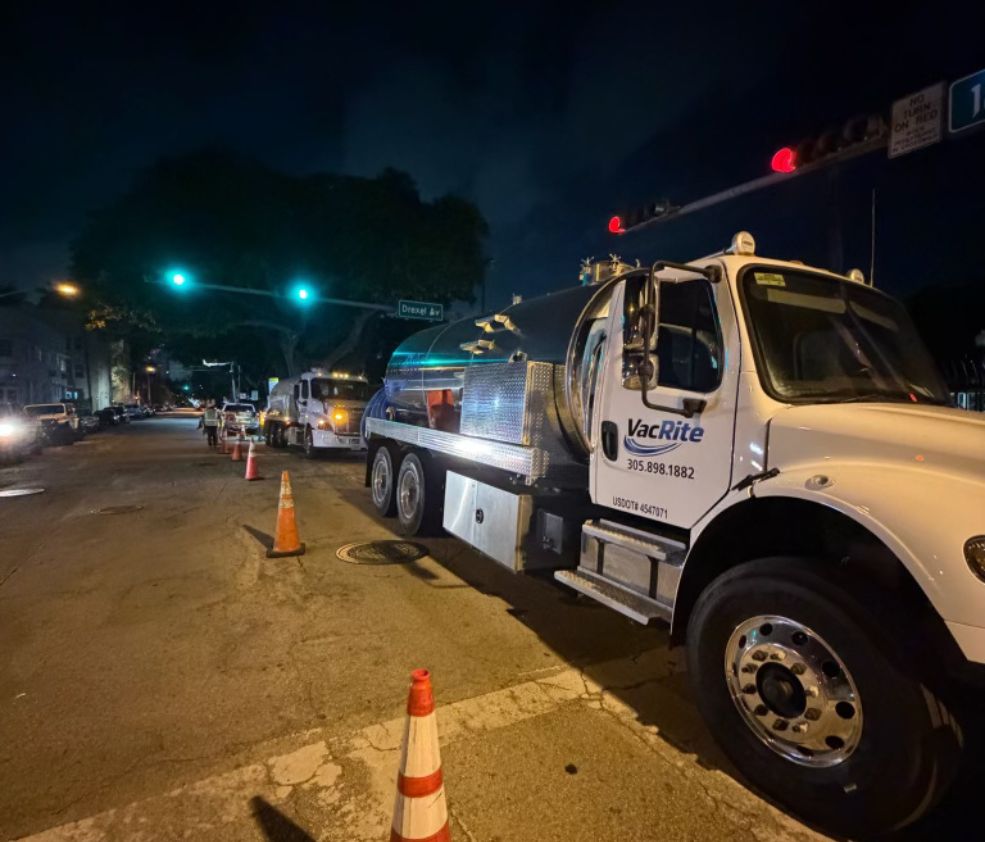
Struck line, blocked kitchen drain, a basin backing up in the middle of a storm. We run every day of the year, and the phone reaches a person rather than a queue. This company is first responder owned, and the emergency side of it works the way that suggests.
Questions we get asked
Will the excavation damage the coating?
Not with this method, and that is the reason operators specify it. Nothing mechanical touches the barrel. The coating handed to the inspector is the coating the ground produced, which is the only version an integrity assessment can honestly use.
Can you clean the pipe for NDE?
Yes, to the standard the procedure calls for. Ultrasonic, magnetic particle and in-ditch measurement each want different surface preparation and different access. Send the procedure and the exposure gets cleaned and sized for the technique that is actually coming.
How much pipe should we expose for an anomaly dig?
More than the reported feature length, on both sides, so the technician can find the reference and work past the edges of the area of interest. Features cluster more often than the sheet suggests. Send the reported length and orientation and we will size it with you.
Can the inspector reach the bottom of the pipe?
That is deliberately part of the plan. External corrosion prefers the bottom of the barrel where water sits, and it is the hardest place to get a probe, so the hole gets built for a full circumferential sweep rather than for a view of the top.
Do you stay on site through the inspection?
Usually, and it is the sensible arrangement. The hole stays open, dewatered and protected while inspection runs and while any recoat or sleeve goes on, then gets backfilled and the right of way restored when the work is signed off.
How do you keep the bell hole dry?
With a pump and a sump, and with the expectation that it will be needed. The table sits high across most of Florida and right of way through drained wetland ground produces water all day. Most in-ditch techniques need a dry surface, so dewatering is part of the work rather than a contingency.
How far will you travel for an integrity dig?
Statewide is realistic for pipeline work, further than we go for local service work. Send the milepost, the access situation and the scope, and you will get a straight answer about whether the unit and the schedule fit the job.
We run pipeline exposure across South Florida, including Miami, Fort Lauderdale, West Palm Beach, and the rest of the region. See every city we cover or look at the trucks on the job.
Tell us what the job is
Tell us about the pipeline exposure job. Where it is, what is around it, and when you need it.
Two trades, one call. We own the trucks, hold the permits, and put our own people on the job.
VacRite, Miami
info@vacriteservices.com
Open 24/7/365
USDOT 4547071