
Hydrovac Trenching
Cutting trench line with water and vacuum instead of a chain or a bucket, on runs long enough that spoil volume and truck cycles become the thing you plan around.
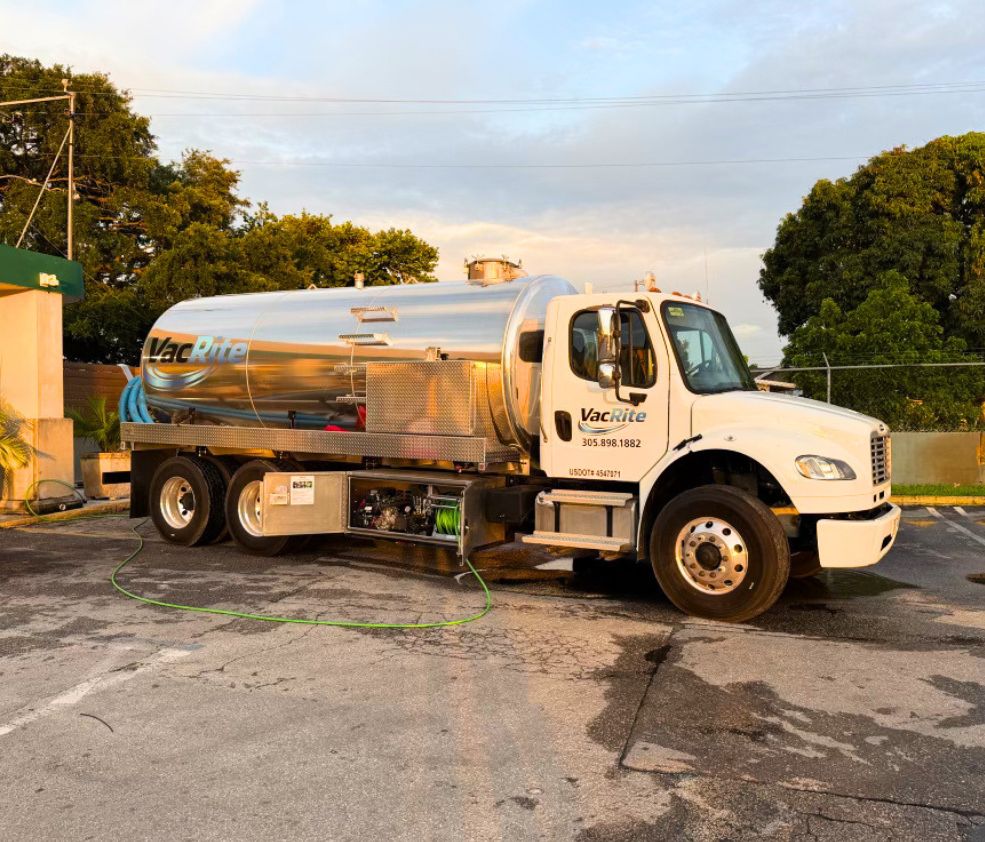
Utility and conduit installers, site contractors and municipal crews who need a run of trench through ground where a machine is not welcome.
How a job runs, step by step
Walk the run first
Somebody walks the whole alignment with the locate marks, not just the two ends. A trench is a series of crossings with digging in between, and the crossings are what decide how the day goes. Anything that looks like a conflict gets a test hole before the trench reaches it.
Set the truck and plan the cycles
The tanker stages where the hose reaches the most trench line, because every reposition is production you do not get back. On a long run the truck will fill before the trench finishes, so the offload trip is part of the schedule from the start rather than a surprise at midday.
Cut in passes down the line
The wand works the length in shallow passes and the vacuum tube follows it, so material never lands on the surface. Pressure and tip get reset as the ground changes, which on any run of length in South Florida it will.
Keep the walls and the surface honest
Spoil that never touches the ground does not work its way back into the trench, which is most of why the walls stay clean and the backfill compacts. Anything deep enough for a person to enter gets sloped or shored for the soil it is actually in.
Backfill in lifts and put the surface back
Slurry rides out in the tank to a permitted facility under our haulers permit, so backfill is imported material placed in lifts and compacted. Base, sod and pavement go back around the trench.
What production actually looks like on a run
Per foot of open dirt, a trencher will beat this every time and we will say so on the phone. The comparison stops being simple the moment the run has crossings in it. A chain trencher moving well has to stop dead at every marked facility, and then somebody hand digs the tolerance zone in limestone while the machine sits. Count the day that way and hydrovac trenching frequently finishes first, because it never stops. The wand slows at a crossing, opens ground until the existing line shows itself, and picks the run back up on the far side without anyone changing tools. Production also moves with the ground far more than people expect. Soft muck out west runs quickly. Sand runs quickly and sloughs. Weathered limestone in Miami-Dade is the slow part of any read of the schedule, and it is the part crews from out of state consistently underestimate.
Spoil volume is the number that decides the day
A test hole produces a few cubic feet and nobody thinks about it. A trench of any real length produces enough slurry to fill a debris tank, and once that tank is full the truck stops digging and goes to the disposal site. That round trip is the governing constraint on a long run, and it is why the honest first question is how much trench, how deep, how wide, and how far is the approved facility from your gate. Rough that out ahead of the day and the plan can absorb it. Ignore it and you get a crew standing around at two in the afternoon. On bigger runs the answer is often a second unit cycling so the wand never stops, and sometimes it is staging a holding tank on site where the property allows one. Either way it is a decision made in the yard, not discovered at the curb.
Slurry does not go back in the trench
Water-cut spoil comes out as a wet, regulated mix of soil and groundwater, and it is not backfill. It stays in the tank, it leaves under our haulers permit, and it goes to a facility permitted to receive it with a record of the trip. That means every foot of trench you open needs an equal volume of imported fill coming the other way, on your material line, in somebody’s trucks, through the same gate. On a short run that is a few yards of sand nobody notices. Across a campus it is a purchase order and a second set of deliveries to coordinate. The upside is real: a narrow trench backfilled with chosen material in controlled lifts settles far less than a wide one refilled with whatever came out of it, and settlement across a finished parking lot is what property managers actually remember about your project.
When a trencher is the right answer and we will tell you so
Open ground, nothing buried near it, a straight run, room to work, and a machine wins. That is not a hard call and pretending otherwise would be selling truck hours. Where this method earns the job is congested corridors, alignments that cross live services, finished parking and landscape where the restoration bill dwarfs the digging, tolerance zones where mechanical equipment is not permitted at all, sites where a spoil windrow would close a drive aisle, and jobs under a specification that requires non-destructive excavation near a facility. A lot of real projects are both. Machine the open stretches, hydrovac the crossings and the finished surfaces, and let each tool do the part it is good at. That mixed plan is the one we end up recommending most often.
Ground, weather and the rest of the schedule
The trench does not care about your calendar but South Florida does. From June onward an afternoon storm belongs to most days, and an open trench in a storm is a trench taking water from above while the table feeds it from below. The vac truck lifts water and spoil together so wet is workable, but wet changes how long a run can stay open and how much of it should be open at once. In the drained wetland muck behind Broward and Palm Beach the walls will not stand unattended for long, so the trench gets opened in sections and closed behind the pipe crew rather than laid open end to end. In roadway or shoulder work there is traffic control and in most municipalities a permit, and roadway trench runs frequently end up as night work for exactly that reason. Sorting that out in advance is worth more than any pressure setting.
Worth knowing
The question that decides a trenching day is not how deep, it is how much material comes out and how far away the approved disposal site is. Slurry cannot go back in the trench, so tank cycles and imported backfill both belong in the plan before anybody rolls. Give us the length, the depth and the site access and we will lay it out straight.

Ask any contractor where what they pump out actually goes. It is a fair question, and the answer tells you a lot.
VacRite
Other excavation work
The other side of the company
Most of our customers only ever need one half of what we do. It is worth knowing the other half exists.
Something failed tonight. Somebody answers.
Struck line, blocked kitchen drain, a basin backing up in the middle of a storm. We run every day of the year, and the phone reaches a person rather than a queue. This company is first responder owned, and the emergency side of it works the way that suggests.
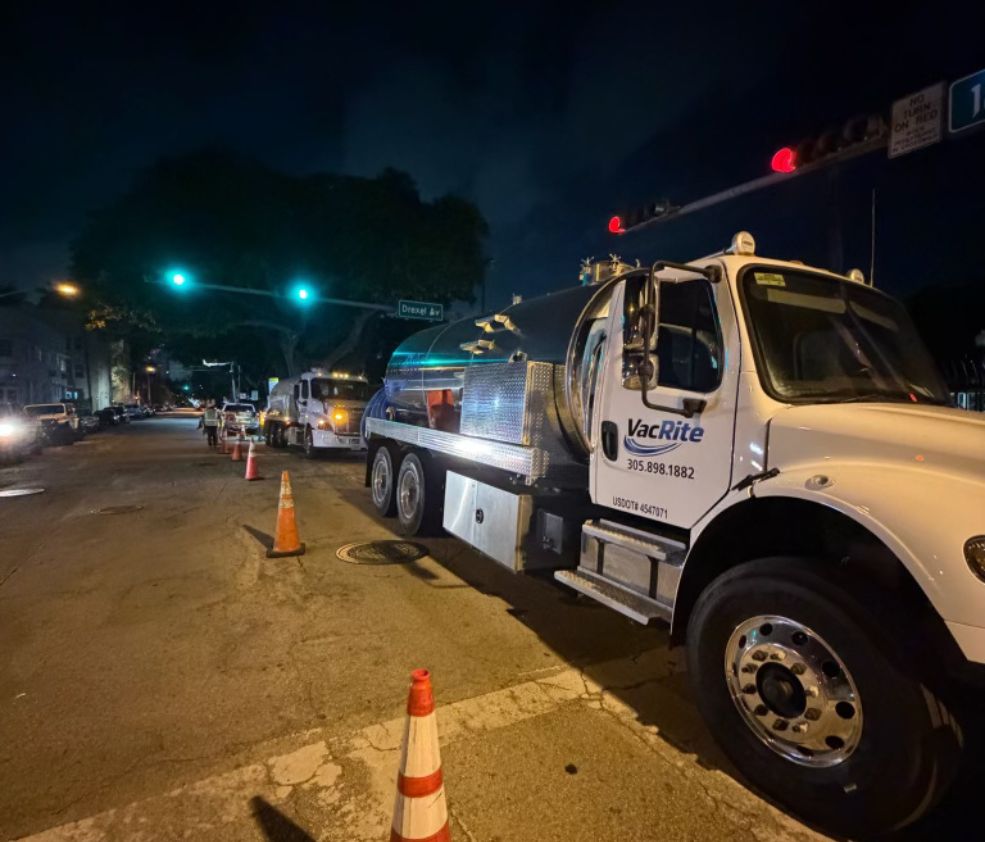
Questions we get asked
Is hydrovac trenching faster than a trencher?
Over open ground with nothing buried near it, no. Across a corridor full of live services it usually is, because a machine has to stop at every crossing and somebody hand digs the tolerance zone while it waits. We never stop, we just slow down at the crossings.
How long a run can you trench in a day?
That depends on depth, width, the ground and how far the disposal facility is from your gate. Tank cycles govern a long run more than digging speed does. Give us those four things and you will get a real answer instead of a guess.
Can the spoil be used as backfill?
Not from a water-cut trench. It comes out as slurry and leaves with the truck to an approved facility under our haulers permit, so backfill gets imported. In a narrow trench that is usually the better outcome anyway, since chosen material placed in lifts settles far less.
How narrow can the trench be?
Narrower than a machine trench, and sized to what has to fit in it. Width drives spoil volume, backfill and restoration all at once, so keeping it tight is where the money is on a finished surface.
Do you trench across existing utilities?
Regularly, and it is one of the main reasons to choose this method. The run slows at each marked crossing, opens ground until the existing line is visible, and continues past it. Potholing the crossings first makes that part go much faster.
Will the trench hold its walls in wet ground?
In sand and fill the walls want to slough, and in the drained muck west of Broward they will not stand on their own for long. The run gets cut in shallow passes and opened in sections rather than end to end. Anything a person enters gets sloped or shored for the soil it is in.
Do you backfill and restore the trench line?
Yes, in lifts with compaction, then base, sod or pavement back around it. If your municipal or utility permit names its own restoration detail, send us that language and the work gets built to it.
We run hydrovac trenching across South Florida, including Miami, Fort Lauderdale, West Palm Beach, and the rest of the region. See every city we cover or look at the trucks on the job.
Tell us what the job is
Tell us about the hydrovac trenching job. Where it is, what is around it, and when you need it.
Two trades, one call. We own the trucks, hold the permits, and put our own people on the job.
VacRite, Miami
info@vacriteservices.com
Open 24/7/365
USDOT 4547071