
Keep Miami Beach parking lots draining through king tide season
On this island a catch basin is a standing job with a calendar attached. We put each property on a program built from what its basins show us, and we keep one record of every visit.
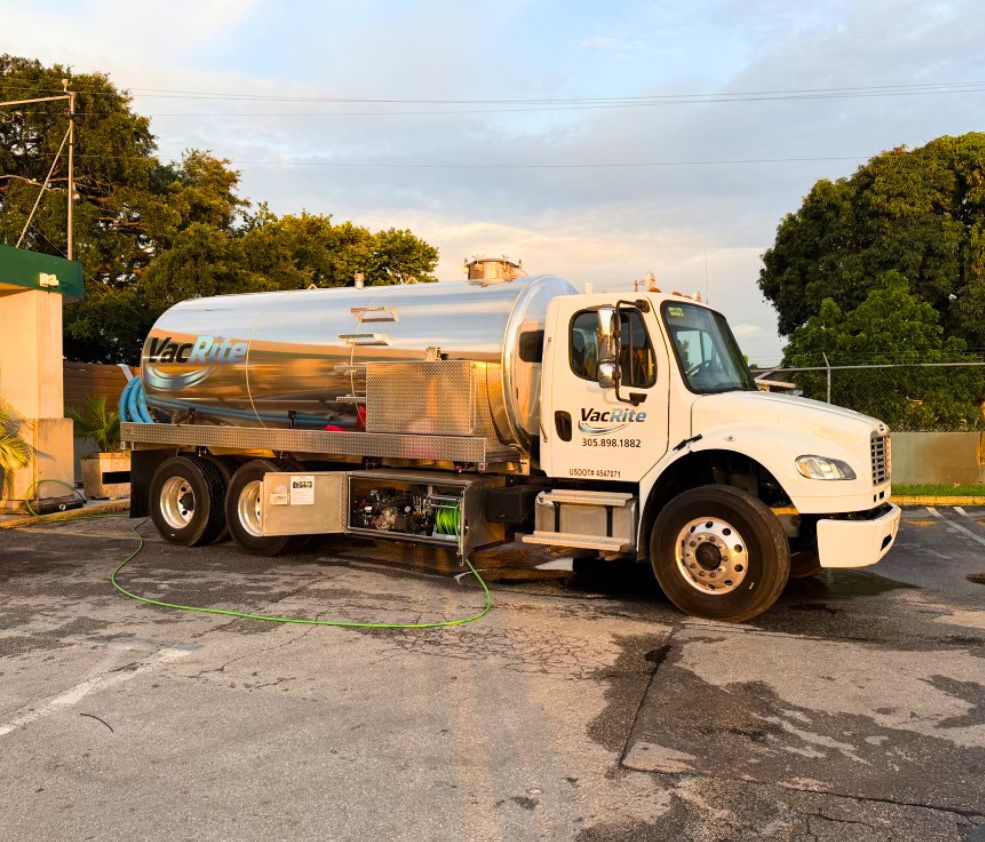
The tide comes up through the grates
Most towns think about drainage when it rains. Miami Beach has to think about it on clear fall days too, when the king tides run. High water backs up the storm pipes and can bubble out of the inlets on a street or a parking lot with no cloud anywhere.
What sand in the sump does at high tide
A basin is meant to hold sediment in its sump and pass water out through its pipe. Here the sediment is mostly sand, blown in off the beach and carried onto the lot by tires and deliveries. Once the sump is full, sand rides into the outlet and the pipe narrows, leaving the system less room to take water in. A lot that floods a little at king tide can flood worse, and stay wet longer, when its basins are packed.
So fall is the deadline for the main service of the year on this island. Empty sumps and open outlets ahead of the peak tides give the lot its best chance of shedding the water once the tide turns, instead of holding a puddle across the drive lanes all day.
How a basin program gets built and then corrected
A one-time cleaning shows what a basin looked like on a single day. A program shows how fast each one loads. On the first visits we pump every basin on the property down to the sump floor, note how much came out and what it was, and mark which grates took the heaviest load. That baseline is what the schedule rests on.
Intervals that follow the evidence
Some basins on a lot stay nearly clean for a long stretch and some fill quickly, usually the low one near the entrance or the one beside the service area. Each interval starts from what we find and moves when later visits prove us wrong. A basin that comes up light gets more time between services. One that comes up packed gets seen sooner, and we tell you which one and why.
Every property keeps one record with all of its visits in it: the dates, which basins were serviced, what came out, where it went and photographs. Hotel managers and condo boards fielding questions from an insurer find that file useful, and it reads the same way whether you have one lot or buildings spread across the county.
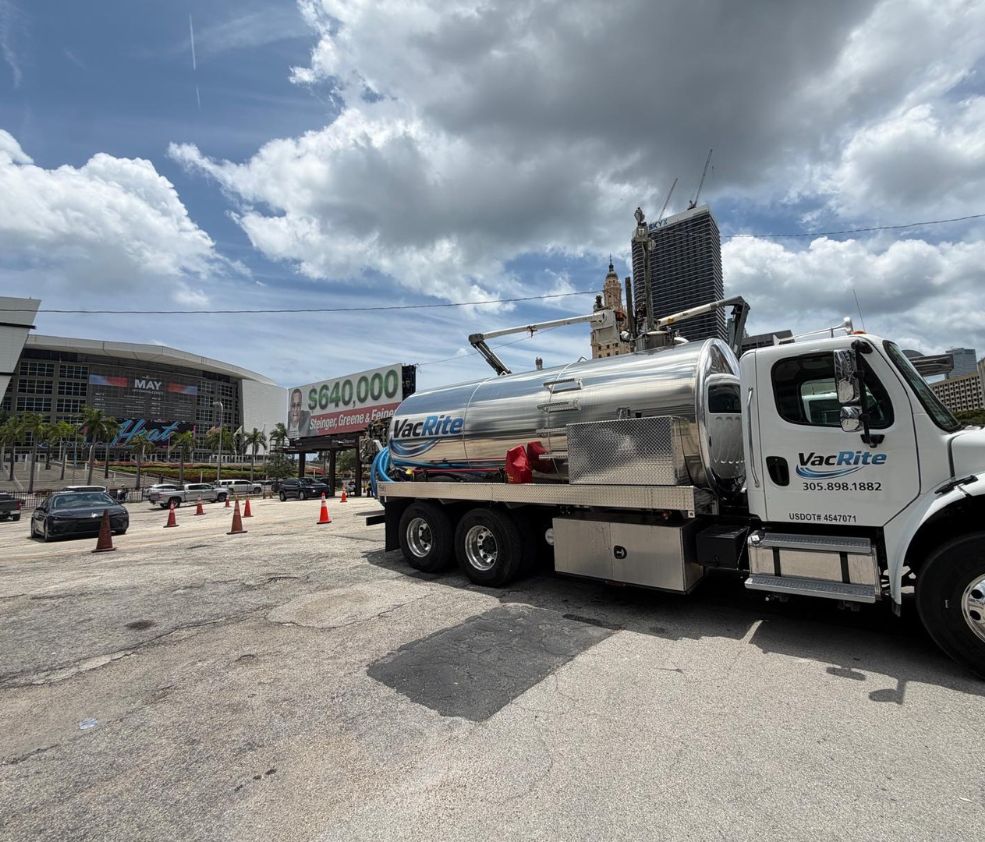
On Miami Beach the tide can push water out of a packed basin on a day without a single cloud.
VacRite
Rain from above, tide from below
The wet season brings the other half of the problem. Afternoon storms dump water on paving that has nowhere else to shed it, and when the tide happens to be up as well, a basin is taking storm water from the lot while tide water presses back up the same pipe. A program on Miami Beach has to plan around both. The fall visit empties the sumps before the tides, and a second visit before the rains start sends the lot into the wet season clean. After a heavy storm we go back to whichever basins loaded hardest last time.
Map every basin on the property
We walk the lot and the service areas and find every grate, including the ones under a parked car or beside the valet stand. Each basin gets a number on a site sketch, so every later visit refers to the same structure.
Pump to the floor and look
Water, sand and debris come out until the sump floor shows. With it empty we check the walls, the frame and the outlet, and we photograph anything that has shifted or cracked since the previous visit.
Send water through the outlet
If water will not leave the basin, the sump was only half the job. A hose goes into the basin and somebody stands at the next structure downstream to see the water arrive. When it shows up slowly or not at all, we jet that run of pipe before the truck leaves.
Set the next date
Everything we pulled travels to an approved facility under our permits, and the visit goes into the property’s record. The next service gets set from what this one found: earlier if a basin came up packed, later if it barely loaded.
When the water stays after the basin is clean
Sometimes we empty every sump on a lot and it still holds water after the next storm. That points below the surface. A basin can settle out of level, or its outlet pipe can crack or sag at a joint, a risk that comes with wet ground shifting as the water table rises and falls. From above, the grate looks no different.
Getting at that kind of fault means digging beside a structure at the low point of the lot, which is where everything else buried on the property tends to run as well. Our excavation crew opens the ground there with water and vacuum, so the repair happens without tearing through a gas service or a conduit sitting next to the basin. It stays on the same call and the same record.
Hotels on the island also ask us for a walk-through ahead of hurricane season, with the basins cleared and the loading area looked over while the forecast is still quiet. If the property runs a kitchen, its grease trap and the line behind it go on that record too.
There is more on catch basin maintenance in general, and a page for Miami Beach as a whole. Describe the job and we will say straight whether it is ours, or browse the job photos first.
Other work we run in Miami Beach
A bad hour in Miami Beach still gets a person on the line
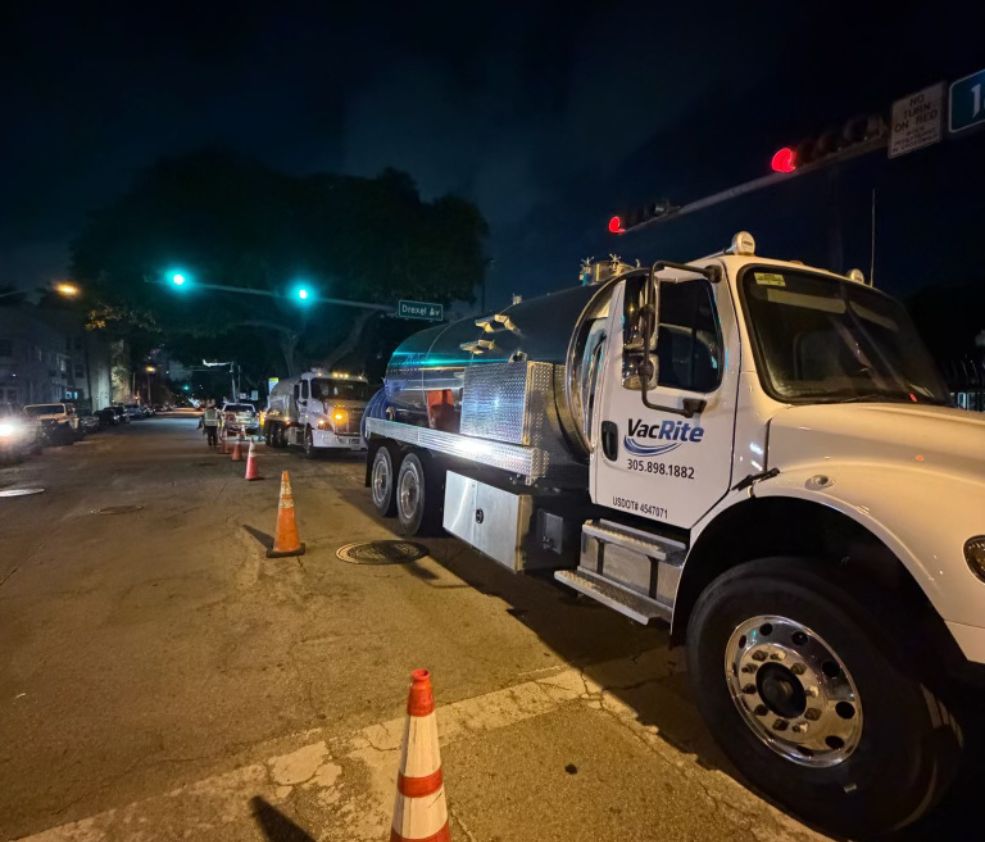
If a trap is spilling onto the kitchen floor or water is standing over a grate tonight, the number below reaches a real person. We run all year without a day off. First responder owned, the company treats a midnight call as the job rather than an interruption.
Questions we get asked
How often should catch basins on a Miami Beach property be serviced?
It depends on the property, which is why we set it from evidence. After the first few visits we know which basins load quickly and which stay clean, and each one gets its own interval. We nearly always build in a visit ahead of the fall king tides.
Why does our lot flood on sunny days in the fall?
During the fall king tides, bay water climbs the storm drains and spills out of the inlets. Sand packed into the basins and the pipe leaves that water fewer places to go, so the flooding runs deeper and lasts longer. A clean basin cannot hold back the tide. It does let the lot drain off sooner once the water drops.
Is a program different from a one-time catch basin cleaning?
The work inside the basin is the same. What changes is the record and the schedule: each visit is logged against each structure, intervals move when the basins tell us to, and nobody has to remember to call before the tides or the rains.
Can you service basins at a hotel without getting in the way of guests?
Usually. We plan around the valet lane and the loading dock and take the busiest areas while they are quiet. When a car needs through, the truck moves. Give us the hours when service work is permitted on the property and we work inside that window.
What if the lot still holds water after the basins are clean?
Then the trouble is probably below the surface: a basin that has settled, or an outlet pipe that has cracked or pulled apart at a joint. That is excavation work, and the same company does it, exposing the structure with water and vacuum before anyone repairs it.
Do you keep records we can show a board or an insurer?
Yes. Every visit lands in a single file per property, with the disposal paperwork from the approved facility and photographs of each basin before and after. Material leaves on our own trucks with CDL drivers, hauled under our haulers permit and dumping permit, and the company is bonded and insured.
Start with where it is and what broke
Give us the address and the spot that floods first, and we will send a truck to start the record.
Two halves of the trade under one roof, with our own permits behind every load that leaves.
VacRite, Miami
info@vacriteservices.com
Open 24/7/365
USDOT 4547071