
Utility Excavation
Opening ground around existing services so a utility crew can repair, tie in or replace what is down there, with the hole built for the work instead of for the pipe.
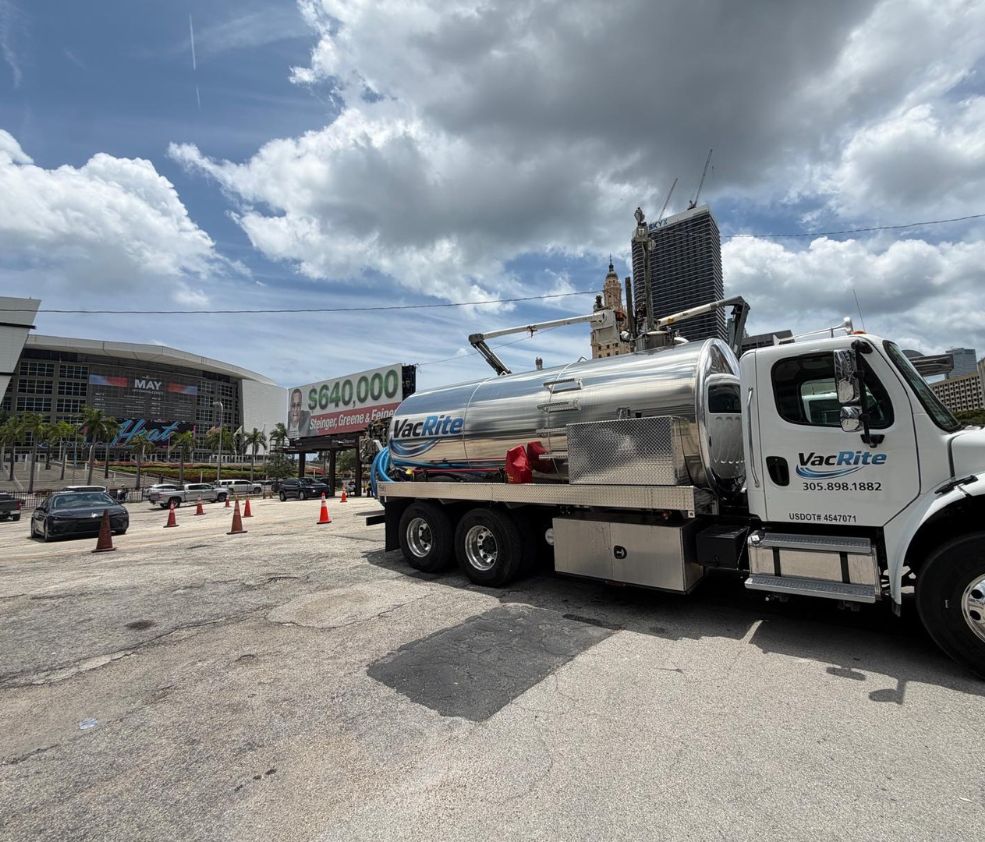
Utility owners, utility contractors, general contractors and municipal crews with a repair, a connection or a replacement to make on a line already in service.
How a job runs, step by step
Start with the work, not the hole
The first question is what is happening in the excavation and who is doing it. A clamp, a coupling, a fusion machine, a saddle tap and a splice case all need different room, and a hole sized for the pipe rather than the task is a hole somebody has to widen with a shovel.
Work from the marks and confirm them
Locates go in and we dig from them. On a repair or a tie-in the target is usually known, but what shares the trench with it rarely is, so the ground comes off in a way that finds neighbors without hurting them.
Open around the facility
Water erodes soil away from the line and vacuum lifts it clear. The line itself is never what is being cut, which is why this method is the accepted way to work inside a tolerance zone.
Build it to be entered
Anything a person goes into gets sloped, benched or shored for the soil it is in, with a ladder, a dewatering plan and protection at the surface. Around here that is ordinary work rather than an exception.
Stay through the work, then close it
The hole gets dewatered and held workable while your crew is in it, then backfilled in lifts, compacted and the surface restored. Spoil leaves in the tank under our haulers and dumping permits.
The hole belongs to whoever works in it
An excavation on a repair job is a workspace, and that changes everything about how it gets dug. Exposing the top of a pipe proves where it is. It does not let a technician get a strap under the barrel, swing a wrench, seat a repair clamp or fit a full encirclement sleeve. So we ask before we roll: who is coming in behind us, what are they bringing, and how much of the line do they need. Belling out the bottom so somebody can get under the pipe is a five minute decision on site and an hour of somebody else’s misery when it gets skipped. Room on both sides of a tie-in point, length enough to cut and couple, clearance for a fusion machine to sit square: those are all cheap when they are planned and expensive when they are discovered. Tell us the task and the hole comes out right the first time.
Repair, tie-in and replacement are different digs
They get grouped together and they should not be. A repair dig is usually reactive, often wet, often in a hurry, and the finding governs the size, since a leak nobody has seen yet can turn out to be two feet from where the water surfaced. A tie-in is planned work at a known point, and what matters there is clearance around the connection and the sequence, because a shutdown window has a clock on it and the hole has to be ready before the window opens rather than during it. A replacement is a length of open ground with an existing line in it and usually a new one going alongside, so the excavation has to accommodate both the old pipe coming out and the new one going in without undermining whatever else crosses. Same trucks, same method, three genuinely different plans.
Working inside the tolerance zone
The reason this is a service rather than a rented machine is that the buffer around a marked facility is closed to mechanical equipment. Once you are inside it, you dig by hand or you dig by non-destructive method, and hand digging through weathered limestone is a slow and discouraging way to spend a day. Water finds what is in the ground without cutting any of it, which includes the things the ticket never mentioned. Abandoned facilities left in place, private lines past the meter, irrigation and site lighting on commercial property and old services relocated during a road widening that nobody redlined all live in the same corridor as your target. On a repair dig those neighbors are found routinely, and being found gently is the entire point of the method.
Holding a hole open in South Florida ground
A repair excavation frequently has to stay open through a shift, overnight, or across a weekend while parts arrive, and this ground does not make that easy. The water table sits high across the tri-county area and moves with the tide near the coast, so an excavation takes water whether or not anything is leaking into it, and a pump with a sump in the corner of the hole is normal rather than exceptional. Loose sandy fill over the rock through Miami-Dade sloughs off a vertical wall without much warning once water is moving through it. Out in the drained wetland muck west of Fort Lauderdale walls do not stand in any meaningful sense. Plating, barricade and a cover on anything left overnight are part of the job, and a hole in a travel lane or a sidewalk gets traffic control and a permit rather than optimism.
The shutdown window is the part nobody can slip
A repair dig is usually hung on a window somebody else negotiated. An outage was coordinated, customers were notified, a crew was scheduled, and the excavation has to be ready when that window opens rather than sometime that morning. Our tankers are ours and our drivers hold CDLs, so a committed window does not depend on a broker finding somebody with a free truck on a Tuesday. What we ask for in return is the real sequence: when the outage starts, how long you have it, whether your crew is standing by or arriving later, and what happens to the window if the repair turns out worse than the leak report suggested. Slurry from the hole rides out in the tank to a facility permitted to receive it with a record of the trip, which matters because on most repair work the generator of that waste is your owner rather than us, and their inspector will eventually ask where it went.
Worth knowing
The detail that decides whether a repair dig goes well is not the utility type, it is what your crew has to do in the hole and how long they need it. Tell us the tool, the clearance and the duration on the first call. A hole that technically exposed the pipe but cannot be worked in has not done its job.
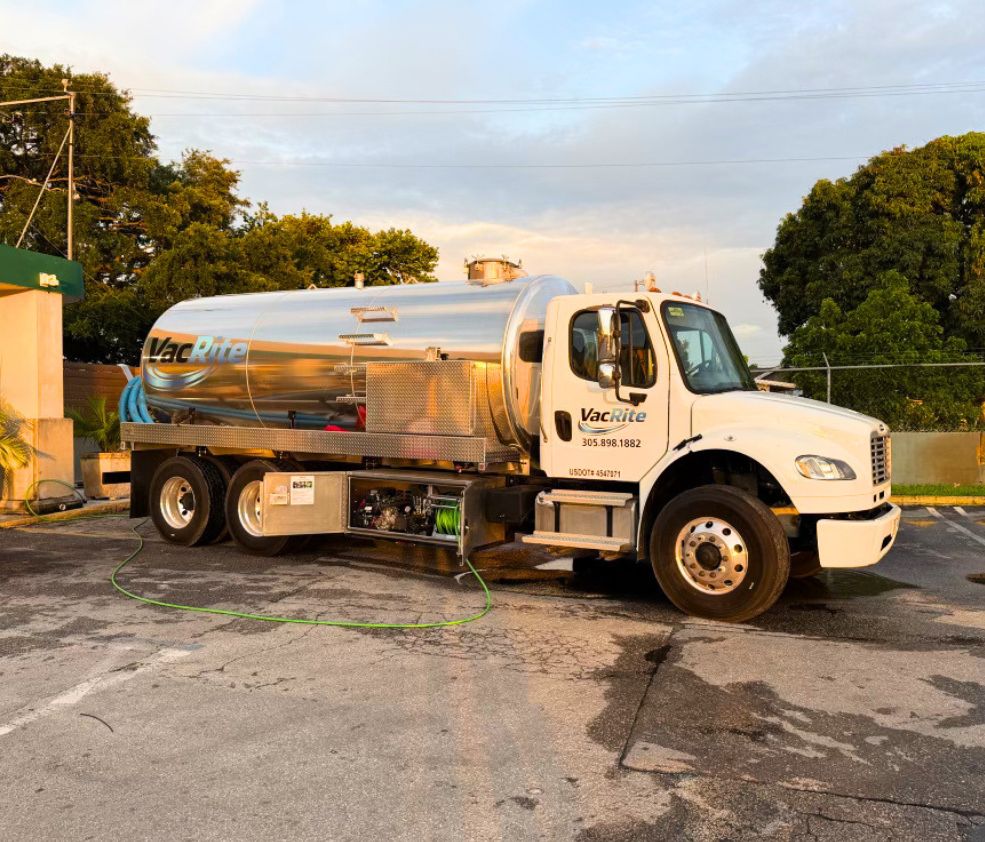
Ask any contractor where what they pump out actually goes. It is a fair question, and the answer tells you a lot.
VacRite
Other excavation work
The other side of the company
Most of our customers only ever need one half of what we do. It is worth knowing the other half exists.
Something failed tonight. Somebody answers.
Struck line, blocked kitchen drain, a basin backing up in the middle of a storm. We run every day of the year, and the phone reaches a person rather than a queue. This company is first responder owned, and the emergency side of it works the way that suggests.
Questions we get asked
Can you dig around a live line without shutting it down?
That is the normal case. Nothing mechanical contacts the facility, so gas, electric, water, sewer, fiber and telecom get uncovered in service. Whether your own work then needs a shutdown is between you and the owner.
Will the hole be big enough for our repair crew?
It will if you tell us what they are doing. A clamp, a coupling, a saddle, a fusion machine and a splice case all want different room around and under the line. Give us the task and the tool and it gets built for that.
Can you keep the excavation open until our parts arrive?
Yes. It gets dewatered, sloped or shored for the soil, plated or barricaded at the surface and covered overnight. Tell us how long and whether anyone is entering it, and it gets held in a condition somebody can actually work in.
Do you shore excavations?
Anything a person enters gets sloped, benched or shored for the ground it is in, with a ladder and a way out. Loose fill over the rock in Miami-Dade sloughs and the muck out west will not stand at all, so this is routine here rather than an upgrade.
What happens if you find something that is not on the drawings?
You hear about it that day, with photographs and measurements. Unmarked and mislocated facilities are found on repair digs constantly, since abandoned lines and private services never appear on a one-call ticket. Finding them without hurting them is the reason for the method.
Do you work directly for utility owners?
Yes, and for utility contractors and general contractors alongside them. Working inside an owner’s access, safety and documentation requirements is routine, and the records from the dig go back to whoever needs them.
Can you get a truck out for a repair at night?
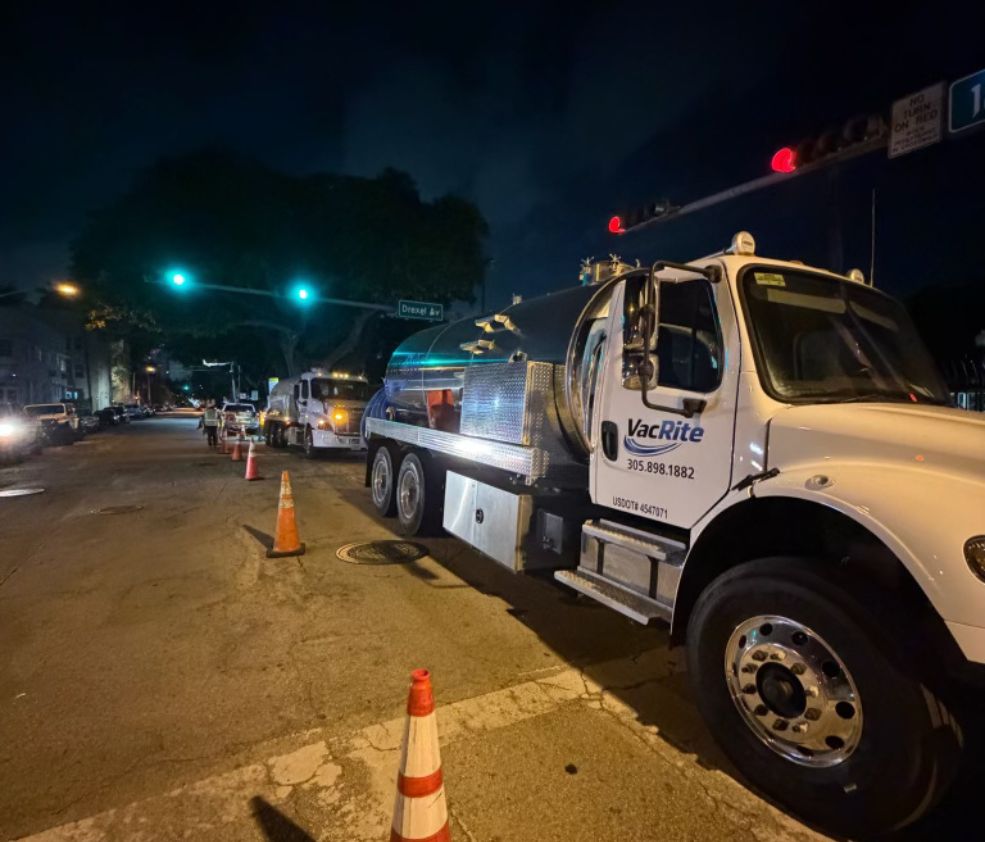
Yes. We run around the clock every day of the year, the trucks are ours and the drivers are ours, so a night call is not a matter of finding somebody willing to roll. Call 305-761-4311 and tell us about access as well as the failure.
We run utility excavation across South Florida, including Miami, Fort Lauderdale, West Palm Beach, and the rest of the region. See every city we cover or look at the trucks on the job.
Tell us what the job is
Tell us about the utility excavation job. Where it is, what is around it, and when you need it.
Two trades, one call. We own the trucks, hold the permits, and put our own people on the job.
VacRite, Miami
info@vacriteservices.com
Open 24/7/365
USDOT 4547071