
Telecom Utility Exposure
Uncovering legacy telephone and cable plant, buried copper pairs, coax, and the ducts they run in, so it can be spliced, repaired, identified or retired.
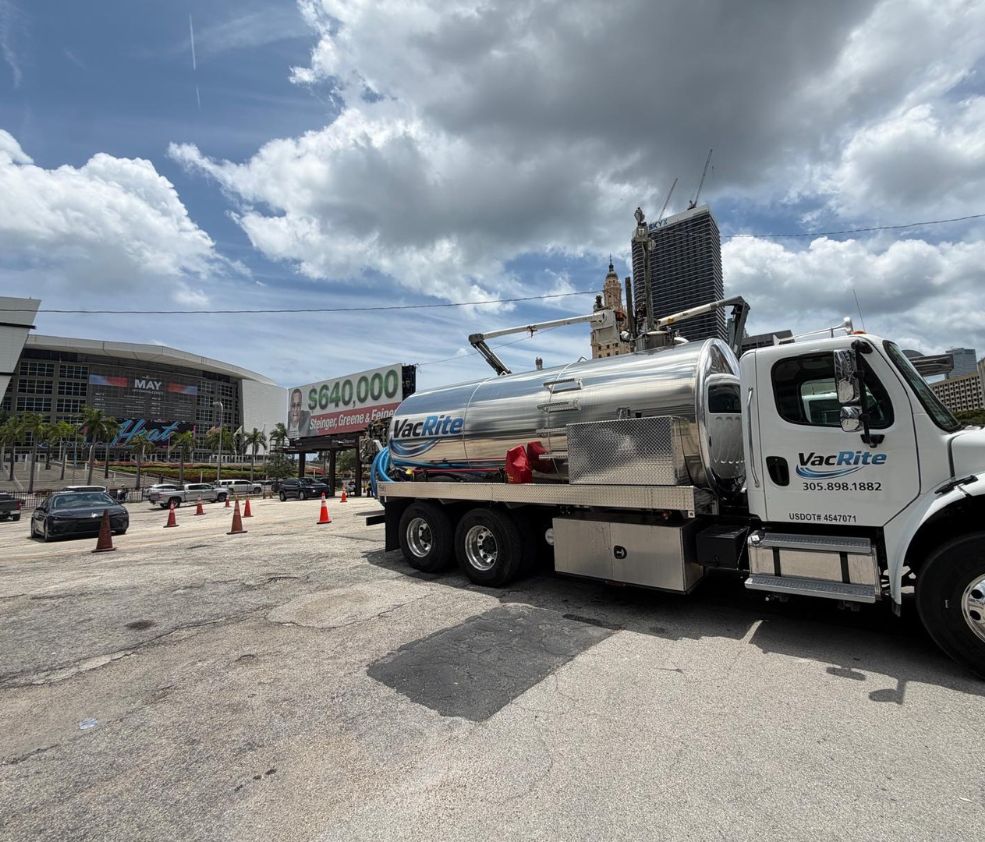
Telephone and cable operators, splice and repair contractors working older plant, and general contractors who have hit or found something in the ground that nobody can put a name to.
How a job runs, step by step
Find out whose it is
Legacy plant is a records problem before it is a digging problem. The 811 ticket covers the operators still in business who still claim it. Plenty of what is down there belongs to a company that changed names twice or walked away from the cable in 1998.
Open carefully over the run
Water and vacuum take the soil off in lifts. Old plant rarely has anything protecting it, so the first indication is often the cable itself, which is a reason to work down slowly rather than fast.
Uncover and identify
The sheath gets cleared enough to read: copper pair count, coax type, armored or not, pressurized or not, any legible markings. On abandoned plant that identification is usually the whole reason for the hole.
Make room for the splice
Copper splicing takes room and takes time. The hole gets sized for a person and their case, stabilized for the soil, and pumped if the water table has opinions.
Backfill and document
Restore the surface, haul the spoil out in the tank under permit, and hand over the record of what was found, where and how deep.
Old plant is a records problem
Copper and coax in South Florida were put in the ground over a span of decades by companies that have since merged, sold territory, rebranded or simply stopped existing. The paperwork followed the corporate history rather than the cable. So you get a 811 ticket that comes back clean over a corridor that visibly has something in it, or a mark for an operator who tells you on the phone that they abandoned that route years ago and cannot say where it went. Meanwhile the cable is still down there, still in the way of your footing, and on a fair number of routes still carrying a working circuit for somebody. Alarm lines, elevator phones, older point of sale connections and a surprising amount of municipal plant still ride copper. Opening ground is how a guess becomes a fact, and it is the only method that is safe to use when nobody can tell you whether the thing is live.
Copper, coax, and what each one wants
Buried copper distribution comes in a lot of shapes. Large pair counts in a lead or plastic sheath, sometimes armored, sometimes under gas pressure on older feeder routes, with a pressurization alarm that will notice a breach even when nobody else does. Smaller drop cable runs shallow from a pedestal to a building and is frequently not marked at all. Coax from cable television builds runs its own corridors, usually with hardline trunk in one place and drops going everywhere. Some of it sits in duct, plenty of it is direct-buried with no warning tape, no sand bed and nothing above it to say stop. That absence is the defining feature of legacy plant and the reason mechanical digging finds it the hard way. Water does not care what the sheath is made of. It erodes the soil and leaves the cable sitting there.
Splicing copper takes longer than people budget
If the hole exists so a splice crew can work, it has to be a hole a person can spend hours in. A copper splice is not a two minute fusion job. It is a case opened up, pairs identified, connectors placed, and the whole thing re-sealed, and on a pressurized route it has to hold pressure afterward. That means room around the cable, room under it for a strap, slack pulled without kinking a lead sheath, and a surface to set a case on. It also means dealing with water, because in most of Miami-Dade and along both coasts a hole at splice depth takes groundwater and keeps taking it. Pumping is a normal part of the day. Anything a person enters gets sloped, benched or shored for the soil, and the loose fill over the rock here will slough off a vertical wall without much warning once water is moving through it.
Retiring plant, and proving what you retired
A growing share of this work is not repair at all. It is removal and abandonment: a route being retired as service moves to fiber, a cable in the way of a road project, a property owner who wants dead plant out from under a planned building. That work has its own requirements. The cable has to be positively identified before anybody cuts it, which is the part that goes wrong when a crew works from the drawing instead of from the hole. It has to be confirmed dead, not assumed dead. Lead-sheathed cable is handled and disposed of according to its own rules rather than thrown in a spoil pile. And the end result has to be documented, because the reason somebody is paying to take it out is usually so they can certify to a third party that it is gone. Exposures at the ends and at intervals along the run are how that gets proven.
What the record contains
Every exposure gets written up the same way whether the outcome was a splice, a removal or a shrug. Depth to top from existing surface, sheath type and diameter, pair count or coax type where it can be read, armored or not, duct or direct-buried, any markings on the sheath, condition, and direction of run. Anything else in the same window goes in too, because legacy corridors are crowded and the cable next to yours is frequently the one that matters. Photographs before, clean and after backfill, and immediate photographs of any damage that was there before we arrived. On unidentified plant the photograph of legible markings is often the single most useful thing that comes out of the day, since it is what lets somebody finally put an owner to the cable.
Worth knowing
On legacy copper and coax, assume nothing about ownership or whether it is live. Tickets come back clean over corridors that clearly have cable in them, and abandoned plant sits next to working plant with nothing to tell them apart from the surface. Identify it in the hole before anyone cuts anything.

Ask any contractor where what they pump out actually goes. It is a fair question, and the answer tells you a lot.
VacRite
Other utilities work
The other side of the company
Most of our customers only ever need one half of what we do. It is worth knowing the other half exists.
Something failed tonight. Somebody answers.
Struck line, blocked kitchen drain, a basin backing up in the middle of a storm. We run every day of the year, and the phone reaches a person rather than a queue. This company is first responder owned, and the emergency side of it works the way that suggests.
Questions we get asked
Can you expose cable that nobody has claimed on the 811 ticket?
Yes, and it is a regular part of this work. Abandoned plant, cable from operators who no longer exist and private lines past a demarcation point never come back on a ticket. Tell us roughly where you believe it runs and we will open ground for it.
How do you tell live plant from dead plant?
We uncover it and clean it so it can be identified and tested, and we treat everything as live until somebody with the authority to say otherwise proves it. The hole is what makes that determination possible. It is not a determination anyone should make from a drawing.
Do you handle lead-sheathed cable?
We expose it, yes, and it gets handled and disposed of under its own rules rather than going in a spoil pile. Tell us in advance if you expect lead sheath on the route so the day is planned for it.
Can you leave the hole open for our splice crew?
Yes. Copper splicing takes hours, not minutes, so tell us how long and what the crew needs to do down there. It gets shored for the soil, pumped if it takes water, and plated and barricaded whenever nobody is in it.
We are removing an old route. Can you expose it at intervals?
That is a common scope. Exposures at the ends and at points along the run let the cable be identified, confirmed dead and pulled or cut, and give you the documentation you need to show somebody it is actually gone.
What if the cable turns out to be fiber, not copper?
Then the settings and the standoff change and we say so before going further. Plenty of old telephone corridors carry newer fiber laid alongside the copper, which is one more reason not to work from an assumption about what is in the trench.
Do you work directly for the operator or through a contractor?
Both are routine. We work for network owners directly and as a subcontractor to their splice and construction contractors, and the record we hand back is the same either way.
We run telecom utility exposure across South Florida, including Miami, Fort Lauderdale, West Palm Beach, and the rest of the region. See every city we cover or look at the trucks on the job.
Tell us what the job is
Tell us about the telecom utility exposure job. Where it is, what is around it, and when you need it.
Two trades, one call. We own the trucks, hold the permits, and put our own people on the job.
VacRite, Miami
info@vacriteservices.com
Open 24/7/365
USDOT 4547071