
Industrial Vacuum Excavation
Digging with compressed air and vacuum instead of water, for plant and industrial work where introducing water into the ground or into the excavation is not an option.

Plant maintenance and engineering staff, substation and generation crews, and industrial contractors working around energized equipment, contaminated soil, or anything that cannot get wet.
How a job runs, step by step
Establish why water is out
There is always a reason, and the reason shapes the job. Energized equipment, a contamination boundary, spoil that has to go back in the hole, or a substrate that turns to soup the moment it is wetted. We want that answer before anything gets staged.
Work into the plant’s permit system
Most industrial sites run their own ground disturbance permit, hot work rules, confined space program and escort requirements. Our crew works inside yours. Nothing is opened until whatever your site requires has been signed.
Break the soil with air
A compressed air lance fluidizes the ground and the material breaks loose dry. It takes longer than water in hard ground and it is the correct trade when the excavation has to stay dry.
Lift and contain the spoil
The vacuum pulls the loosened material into the tank dry, which keeps it separable, keeps it lighter, and keeps a contaminated soil from becoming a much larger volume of contaminated liquid.
Backfill with what came out, or haul it
Dry spoil can frequently go straight back into the hole, which is the whole point on a plant site. Where it cannot, it leaves in the tank under our haulers permit to a facility permitted to receive it.
Air excavation, and when it is the right call
Air excavation runs on the same principle as hydro. Something fluidizes the soil and a vacuum lifts it away. The difference is the cutting medium, and that difference decides which jobs each one belongs on. Water is faster, cuts harder ground, and is the default for almost everything in a public right of way. Air is slower and works you harder in a limestone cap, and there are three situations where none of that matters. When the excavation is near energized electrical equipment and a conductive medium is exactly what nobody wants in the hole. When the soil is contaminated and adding water multiplies the volume of regulated waste you now have to dispose of. And when the spoil has to go back into the ground it came from. Slurry does not go back in a hole. Dry soil does.
Energized equipment and the conductivity problem
Substations, switchgear pads, generation plants, transformer vaults and duct banks feeding critical loads are where this method earns its name. Water conducts, and once there is standing water in an excavation next to something energized the hazard analysis changes for everyone on site, including people who are not in the hole. Air does not carry that risk into the excavation. It is one of the reasons electric utilities and industrial power groups write air excavation into their own procedures for work inside the fence rather than leaving the method to the contractor. If your site has that language, send it before the day. Grounding grid conductors, cable trays below grade, and direct-buried feeders are all things this method uncovers without a scrape, and they are also all things nobody should be near with a machine.
Contamination control and keeping spoil separable
On an industrial property the soil is frequently the regulated thing. A former tank farm, a fueling area, a maintenance yard, a plating or process area, anywhere a characterization has already been done and the answer was not clean. Add water and you have taken a manageable volume of soil and turned it into a much larger volume of liquid-bearing waste, which is more expensive to haul, harder to profile and worse for everyone’s paperwork. Air keeps the material dry and separable, so it can be drummed, staged on poly, sampled or returned to the excavation according to whatever your environmental group has decided. We work to your consultant’s direction on that, not to a default. When the material does have to leave, it leaves in our tank under our haulers permit and dumping permit with a documented destination.
Working inside a running plant
The excavation is usually the small part of an industrial job. The rest is the plant. There is a ground disturbance permit to obtain, and it generally wants the locate records, the method and a drawing before anybody signs it. There may be a hot work policy, an escort requirement, a site specific orientation, a lockout tagout interface, or an exclusion zone that moves depending on what unit is running that day. Access is its own puzzle, since a tanker inside a process area has clearance, turning and sometimes weight limits to respect, and there are places the truck simply parks outside and the hose runs in. Our crews are used to that. Whatever your contractor management system wants loaded before anyone gets a badge, send it early: those portals reject submissions for formatting reasons that have nothing to do with the work, and a crew sitting at a gate on the morning of the dig is a wasted day for both of us.
What air will and will not do here
It would be dishonest to sell air excavation as a universal upgrade. In the oolitic limestone that sits shallow across much of Miami-Dade, air is slow, and in a weathered cap it can be very slow. Below the water table it stops being a dry method at all, because the hole fills from the ground whether or not we put water in it, and on the coast that table is high and moves with the tide. In saturated muck out west there is nothing dry to lift. So the honest planning conversation is about depth, ground and how far down your target sits relative to groundwater. Where air works, it is the right tool and there is no substitute. Where it does not, we will tell you that on the phone and talk through whether a water dig with contained spoil solves the same problem. What we will not do is roll a truck to a job the method cannot finish.
Worth knowing
Air excavation is a dry method, and the ground has to cooperate with that. Below the water table the hole fills on its own regardless of what we are cutting with, and across the coastal counties that table is high. Tell us the target depth and why water is excluded when you call, so we can say honestly whether air reaches it.
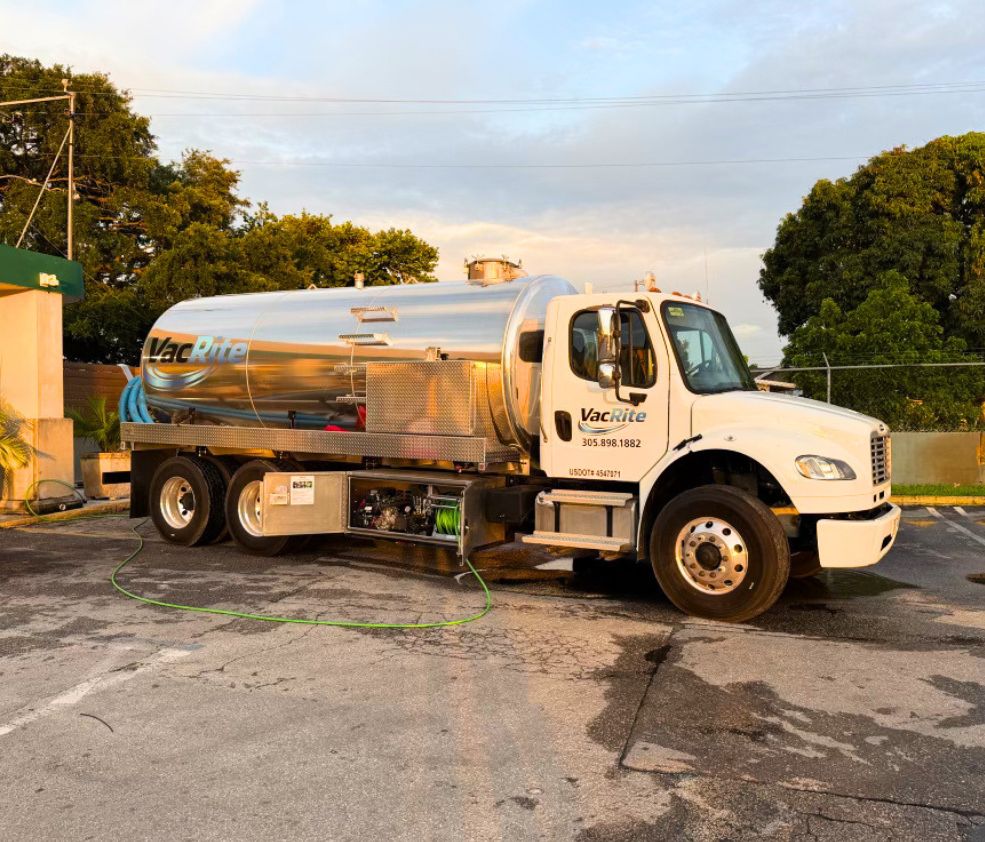
Ask any contractor where what they pump out actually goes. It is a fair question, and the answer tells you a lot.
VacRite
Other industries work
The other side of the company
Most of our customers only ever need one half of what we do. It is worth knowing the other half exists.
Something failed tonight. Somebody answers.
Struck line, blocked kitchen drain, a basin backing up in the middle of a storm. We run every day of the year, and the phone reaches a person rather than a queue. This company is first responder owned, and the emergency side of it works the way that suggests.
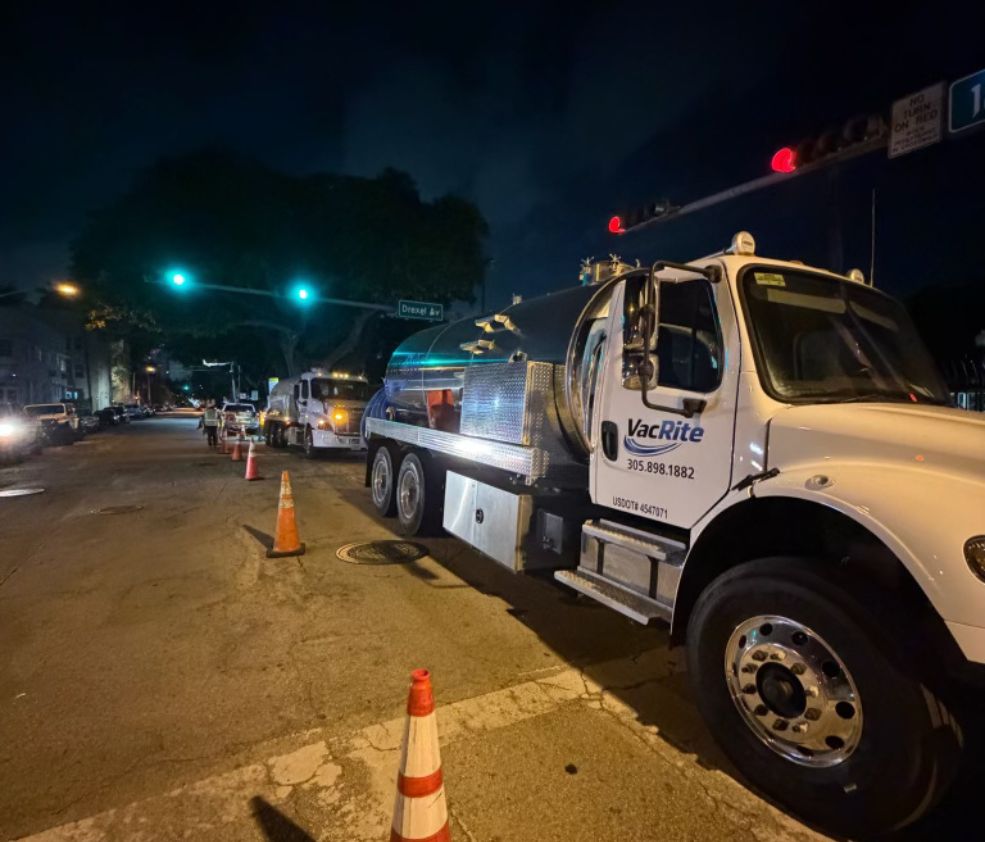
Questions we get asked
What is the difference between air and hydro excavation?
The cutting medium. Air fluidizes soil dry, water cuts it as slurry. Both lift with vacuum. Water is faster and handles hard ground better. Air is the answer when the hole must stay dry, near energized equipment, or where spoil goes back in.
Can the spoil go back in the hole?
That is one of the main reasons to use air. Dry material stays reusable, so on a plant site it can frequently be returned to the excavation instead of hauled off. Slurry never goes back in.
Do you work inside substations and around energized gear?
Yes, and that is where this method belongs. Air does not introduce a conductive medium into the excavation. Send us the utility or plant procedure that governs the work, because those documents usually name the method and the buffer.
How does this work with contaminated soil?
Air keeps the material dry, which keeps the regulated volume small and the spoil separable for drumming, staging or sampling. We take direction from your environmental consultant. Anything that has to leave goes under our haulers permit with a documented destination.
Is air excavation slower?
In hard ground, noticeably. A limestone cap in Miami-Dade is real work with air. That is the trade you are making for a dry hole and reusable spoil, and it is worth planning the day around rather than discovering at noon.
Can you meet our plant’s contractor requirements?
Send them over. Bonded and insured, CDL drivers on every unit, active USDOT 4547071, and we work inside your ground disturbance permit, escort and orientation rules rather than asking you to work around ours.
What if the target is below the water table?
Then it is not a dry hole no matter what we cut with, and we will say so before rolling a truck. Tell us the depth and the location and we will tell you whether air reaches it or whether a contained water dig is the better answer.
We run industrial vacuum excavation across South Florida, including Miami, Fort Lauderdale, West Palm Beach, and the rest of the region. See every city we cover or look at the trucks on the job.
Tell us what the job is
Tell us about the industrial vacuum excavation job. Where it is, what is around it, and when you need it.
Two trades, one call. We own the trucks, hold the permits, and put our own people on the job.
VacRite, Miami
info@vacriteservices.com
Open 24/7/365
USDOT 4547071