
Fiber Optic Utility Exposure
Uncovering buried fiber conduit, innerduct and microduct so a splice crew or a repair crew can get to it, with the glass inside still carrying traffic.
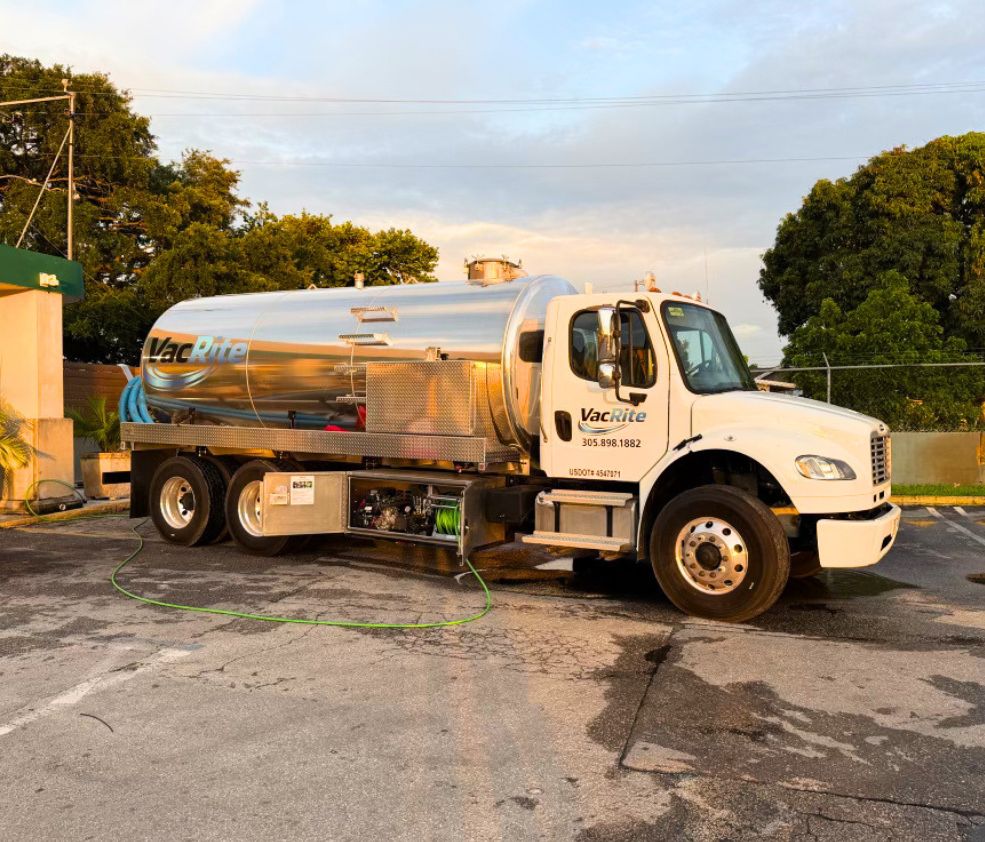
Fiber network owners, splice contractors chasing an OTDR fault, ISPs and carriers with a damaged segment, and general contractors who need somebody else’s fiber uncovered before they can finish their own work.
How a job runs, step by step
Pin the point before opening ground
On a repair we start from what the OTDR says and what the route records say, then narrow it with marks and a private locate if the duct has a trace wire worth chasing. Opening the right ten feet beats opening a hundred.
Take the soil off in lifts
Water and vacuum work down in stages rather than driving for depth. Warning tape, sand bedding or a concrete cap shows up first, and once any of those appear the settings come down and the standoff goes up.
Expose the duct clean
The conduit gets uncovered along enough length for the work that follows, and cleared off so markings, ownership and duct count can be read. Microduct bundles get treated as the fragile thing they are.
Build the hole around the splice
A splice case needs slack, a person, a trailer or van nearby, and room to work without kneeling on the duct. The excavation gets sized and stabilized for that, not for the pipe.
Protect it or close it
If it stays open for the splice crew it gets plated, barricaded and covered. When the work is done it gets backfilled and restored, and the spoil leaves in the tank under permit.
Why fiber is the least forgiving thing in the ground
A nicked water service is a repair. A cut fiber is an outage that lands on people who have never heard of your project, and it does not stay local. One strand can carry a hospital, a carrier backhaul, a data center cross-connect, a 911 circuit. The repair itself is not even the expensive part. The expensive parts are the service level credits, the escalation, the crew standing down while a splice trailer gets dispatched from wherever it happens to be, and the fact that a fusion splice takes as long as it takes no matter how urgent anyone is being about it. That is the whole reason water and vacuum exist as a method near this stuff. Pressurized water erodes soil but flows around conduit and cable instead of shearing it, and the wand never has to touch what it is uncovering.
Conduit, innerduct, microduct and direct burial
What is actually in the ground varies enormously and it changes how the hole gets dug. Rigid conduit under a road crossing is comparatively robust and will tell you it is there before you are close. Innerduct pulled inside a larger duct is fine until the outer duct is what you are cutting through. Microduct bundles, the small multi-way assemblies used on newer builds, crush and kink under loads that would not bother anything else down there, and a kinked duct is a problem the next time somebody needs to blow fiber through it even if today’s glass is untouched. Direct-buried armored cable with no duct at all still exists on older routes and gives you no warning layer whatsoever. We would rather know which of those we are looking for before the truck rolls, and if you do not know, we open ground as though it is the worst case.
Working a live route without cutting service
Most fiber exposure happens on a route that is carrying traffic right now. Nothing about the method requires the fiber to be dark, and treating it as live is the correct default even when somebody says it is not, because route records are wrong more often than anyone admits and abandoned duct sits alongside working duct constantly. Standoff is the whole discipline. A rotating head spreads energy across an arc instead of concentrating it in one spot, the tip stays moving, and the wand never dwells. Any duct that comes into daylight gets uncovered by hand at the last stage if that is what it takes. The vacuum hose is kept off the conduit too, since a heavy hose dropped across a microduct bundle can do damage the water never would. None of that is complicated. It is just a set of habits that a crew either has or does not.
The hole is for the splice crew, not for the duct
An exposure that technically uncovered the conduit and cannot be worked in has not done its job. So we ask first: what happens in this hole after we leave. A mid-span splice needs slack pulled and coiled, which means more length exposed than people expect and room to lay it out without bending it tight. A splice enclosure needs a person down there with their hands free, and around here that person is often in a hole taking groundwater. Anything somebody enters gets sloped, benched or shored for the soil it is in, and South Florida soil argues. Loose fill over the rock in Miami-Dade sloughs without warning once water moves through it, and the muck out west does not hold a wall at all. Pumping is often part of the day. So is a cover, a barricade and a plate on anything left overnight, plus traffic control and a permit when the hole is in a lane or a sidewalk.
What gets written down, and why the next crew cares
Every exposure comes back documented: depth to top of duct from existing surface, duct size and count, material, any ownership markings on the conduit wall, condition of the duct and of any warning layer above it, direction of run, and everything else found in the same window. Photographs before we touch anything, with it clean, and after backfill. Pre-existing damage gets photographed and reported the moment it appears, because on fiber that distinction matters to somebody. Network owners want the record for their own route files, which tend to be thinner than they should be. General contractors want it for the conversation about what was already broken. And the next splice on that route is going to be somebody else’s emergency in two years, at which point a photograph beats anybody’s memory.
Worth knowing
Tell us what type of duct we are looking for and who owns it. Microduct and direct-buried armored cable get opened differently from rigid conduit, and knowing which one is down there before the truck rolls is worth more than any amount of care applied after the fact.
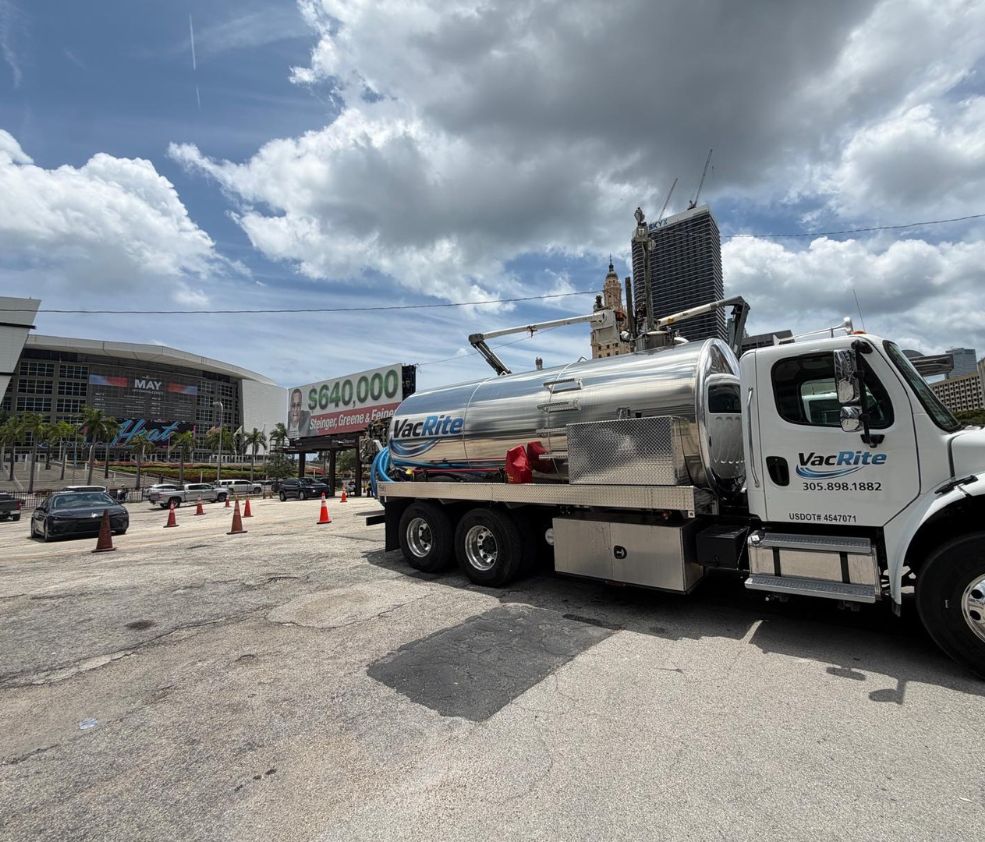
Ask any contractor where what they pump out actually goes. It is a fair question, and the answer tells you a lot.
VacRite
Other utilities work
The other side of the company
Most of our customers only ever need one half of what we do. It is worth knowing the other half exists.
Something failed tonight. Somebody answers.
Struck line, blocked kitchen drain, a basin backing up in the middle of a storm. We run every day of the year, and the phone reaches a person rather than a queue. This company is first responder owned, and the emergency side of it works the way that suggests.
Questions we get asked
Can you expose live fiber without taking the circuit down?
Yes, and that is the strongest argument for the method. Water erodes soil and flows around conduit and cable rather than through it, so the glass keeps carrying traffic while the duct comes into daylight.
We have an OTDR distance but not a spot. Can you still help?
Yes, that is a normal call. The distance gets walked against the route records and any trace wire on the duct to narrow the search, then ground gets opened at the most likely point. It is a common way this work starts.
Do you work with our splice crew or do we schedule around you?
Either way. Most of the time we open the hole, protect it, and the splice crew works in it while we are on site or right after. Tell us the sequence and the timing and it gets planned that way.
How much length do you need to expose for a mid-span splice?
More than the damaged section, because slack has to be pulled and coiled without tight bends. Tell us what the splice crew needs to lay out and the hole gets sized for the work rather than for the pipe.
What about microduct? We have heard it gets damaged easily.
It does, and it gets treated accordingly. Microduct bundles kink and crush under loads nothing else down there would notice, and a kinked duct is a problem the next time somebody blows fiber even if today’s strands are fine. Say so up front and the settings and the standoff reflect it.
Can you get out at night or on a weekend for a fiber emergency?
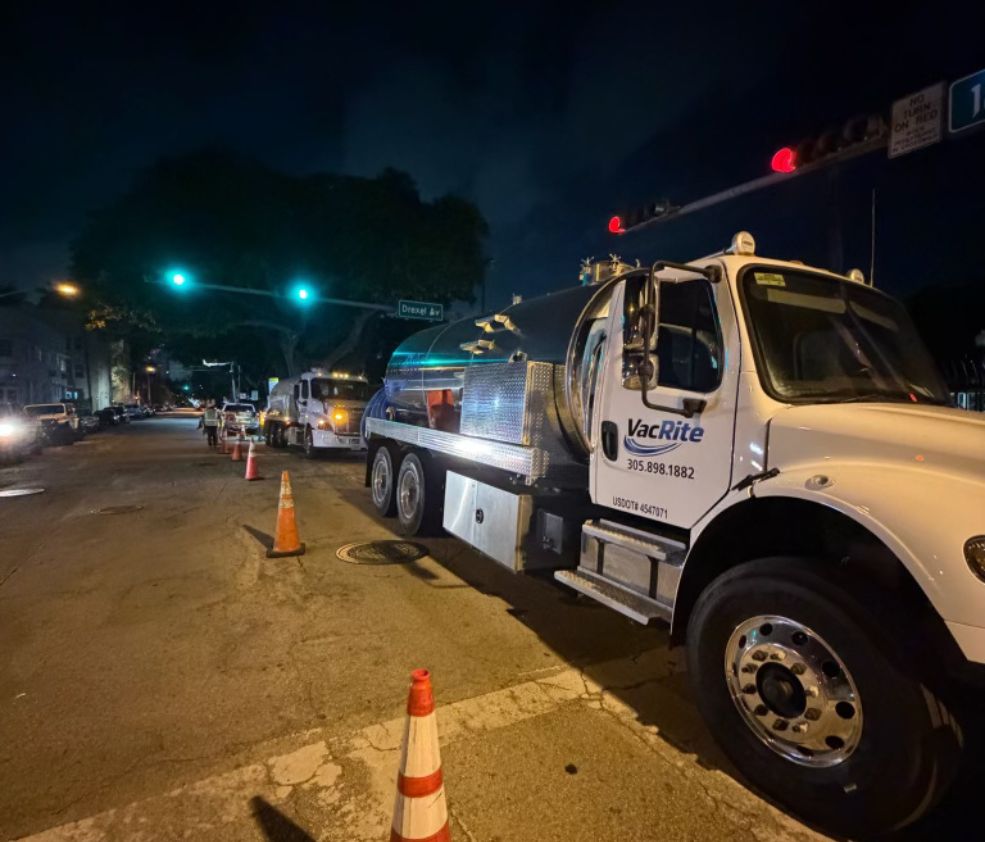
Yes. We are open every day of the year and the phone is answered by somebody who can put a truck on it. Outage work does not wait for business hours and we do not ask it to.
Will you document damage that was already there?
Immediately, with photographs, before anything else happens. Pre-existing damage on a fiber route is worth establishing clearly for everyone involved, and it is a lot easier to settle with a picture than with an argument.
We run fiber optic utility exposure across South Florida, including Miami, Fort Lauderdale, West Palm Beach, and the rest of the region. See every city we cover or look at the trucks on the job.
Tell us what the job is
Tell us about the fiber optic utility exposure job. Where it is, what is around it, and when you need it.
Two trades, one call. We own the trucks, hold the permits, and put our own people on the job.
VacRite, Miami
info@vacriteservices.com
Open 24/7/365
USDOT 4547071